
Hi, I’m Yasa-o, and I’ve been showing visitors around Myeongdong for 32 years. If someone asks me, “Where should I really eat on a trip to Korea?”, the first two places I recommend are Daega (대가) and Jungil Hoegwan (중일회관). They serve all the Korean favorites you could want—from grilled meat to spicy beef-intestine hot pot—as well as raw beef liver, which restaurants in Japan are no longer allowed to serve. These two restaurants are the stars of this guide.
For 32 years, I’ve helped Japanese guests make the most of their time in Myeongdong. The two things I have always valued most are honesty and trust. I’ll begin with what makes these two restaurants special, then introduce several more places worth visiting for breakfast or while exploring the neighborhood. Photos and menus reflect what was available when they were taken, so please confirm the latest details locally.
Yasa-o’s First Two Picks: Daega and Jungil Hoegwan
If food is going to be the highlight of your trip, remember these two names first. Daega is the place for Korean meat dishes and raw beef liver; Jungil Hoegwan offers raw liver as well as kimchi bulgogi and piping-hot beef-intestine hot pot. If you cannot decide between them, start with the dish you most want to try.
1. Daega (대가)|The Top Pick for Raw Beef Liver and Korean Meat Dishes
Address:86 Myeongdong 2-ga, Jung-gu, Seoul, 1F. About a 10-minute walk from Euljiro 1-ga Station. Tel: +82 2-752-5900
Hours, last orders and branch details can change. Please confirm with the restaurant before visiting.
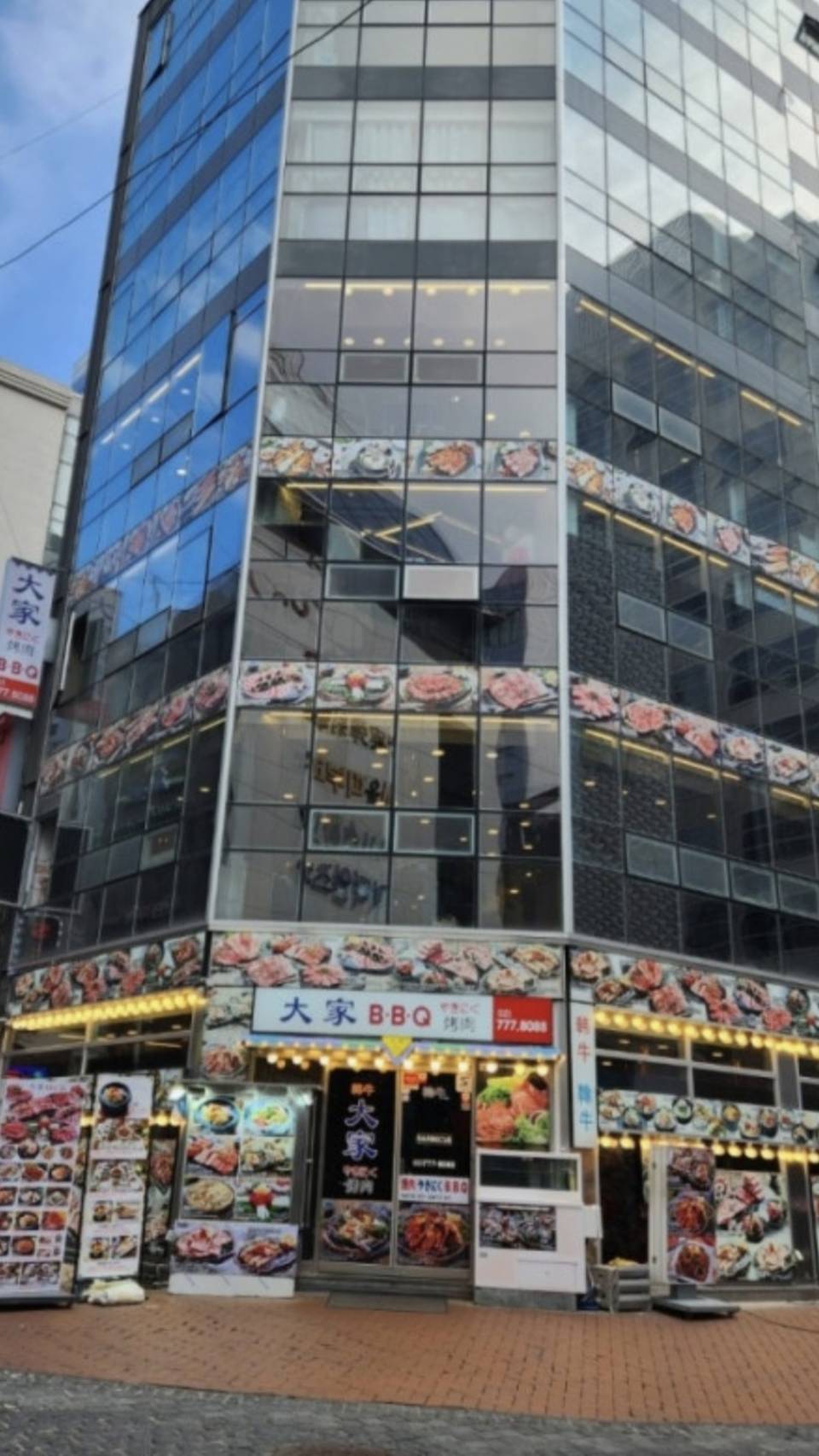
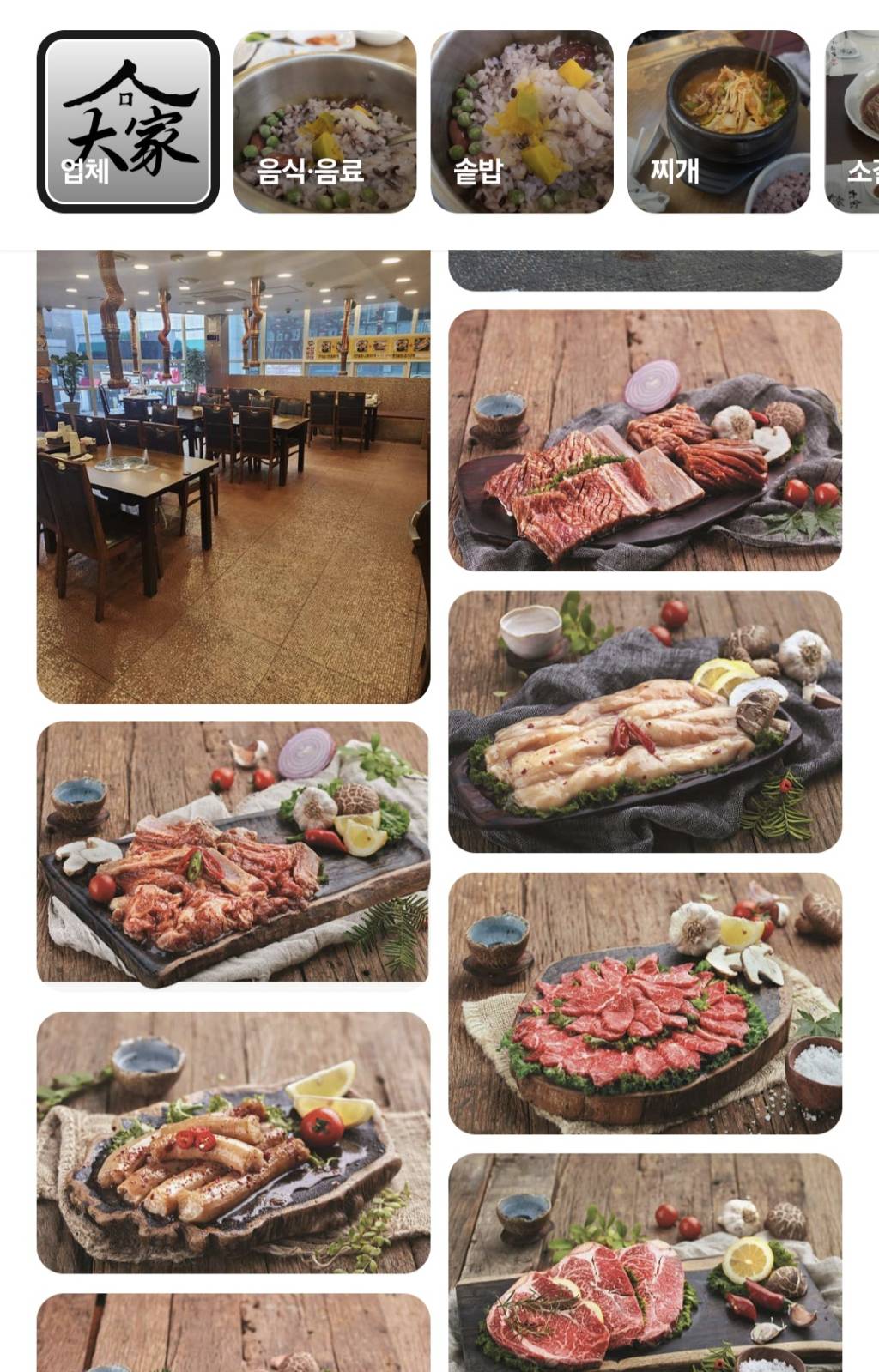
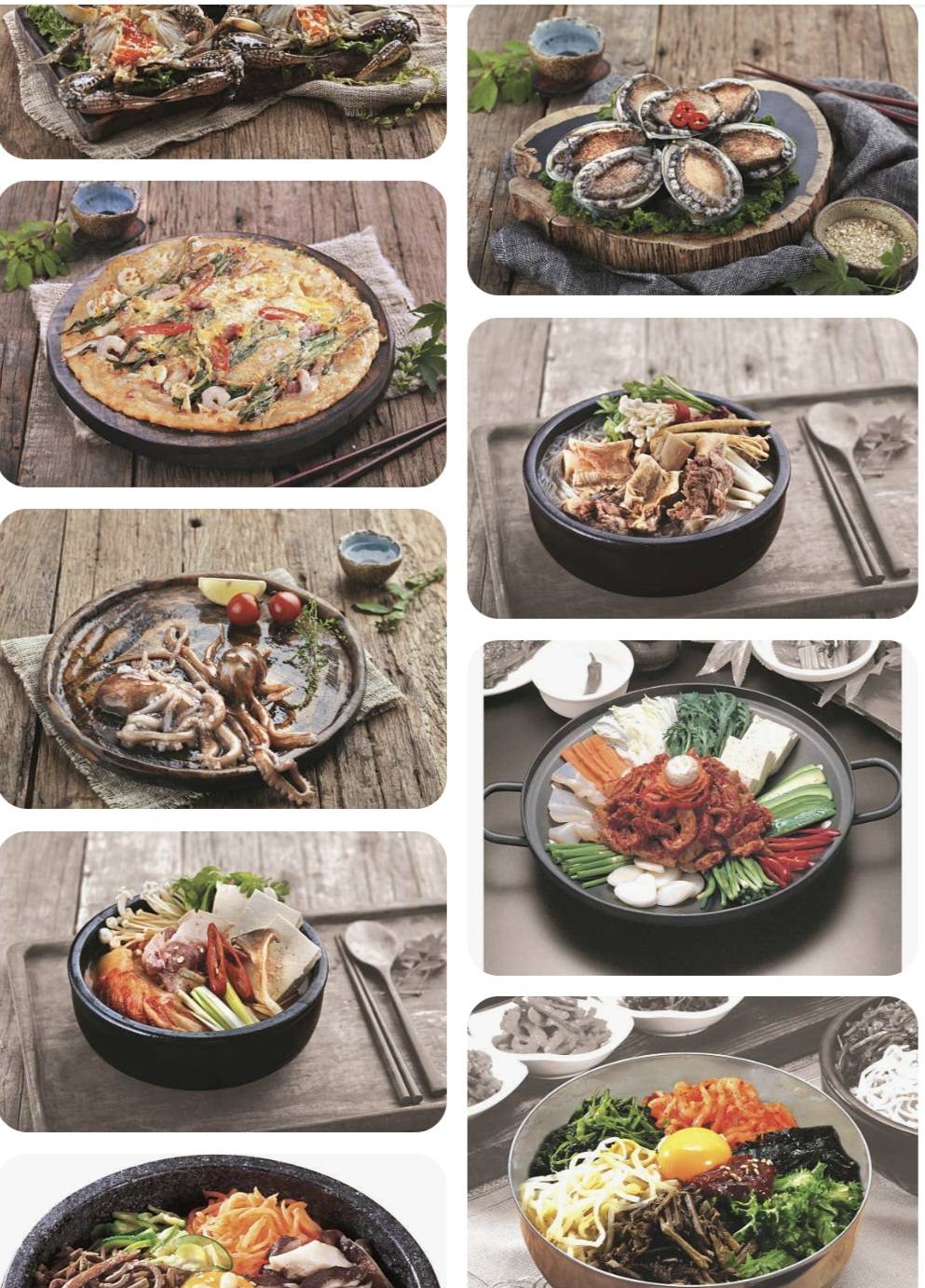
Dinner is the time to be a little ambitious. Hanwoo beef, live octopus, mung-bean pancakes, yukhoe, samgyeopsal—the list alone is enough to make you hungry. Daega (대가) is one restaurant to remember for a night out in Myeongdong. Look for the sign reading “大家/대가” out front.
🚬 Visit with Yasa-o and You Can Smoke While Dining at Daega
Here is another welcome detail for smokers: when you visit with Yasa-o as your guide, you can enjoy a cigarette while dining at Daega. Being able to linger over meat and conversation at your own pace makes the evening even more enjoyable.
Will Hanwoo beef take center stage at dinner, or will it be yukhoe? Maybe you would rather gather around a grill full of fragrant samgyeopsal. Even the meat menu offers plenty to choose from. If you cannot decide, order different dishes and share them with your companions—that is one of the pleasures of traveling. Just be sure to arrive with plenty of room in your stomach.
A Korean barbecue dinner is about more than the meat: the sizzling grill, the rising aroma, and the colorful spread of dishes are all part of the experience. After a bite of hot, rich meat, you find yourself craving something light and refreshing, and the cycle begins again. Even mid-conversation, your chopsticks never seem to stop. If Daega is on your dinner list, take a good look at the menu before making dessert plans.
The photos in this article include menu shots. If you already know what you want to eat, checking the latest menu before your visit will give you peace of mind.
2. Jungil Hoegwan (중일회관)|Raw Beef Liver, Kimchi Bulgogi and Beef-Intestine Hot Pot
Address:Myeongdong branch: 362 Samil-daero, Jung-gu, Seoul. Myeongdong 2nd branch: 54-17 Myeongdong 1-ga, Jung-gu, Seoul, 3F
Hours (guide):Myeongdong 11:00–22:30; 2nd branch 11:00–22:00
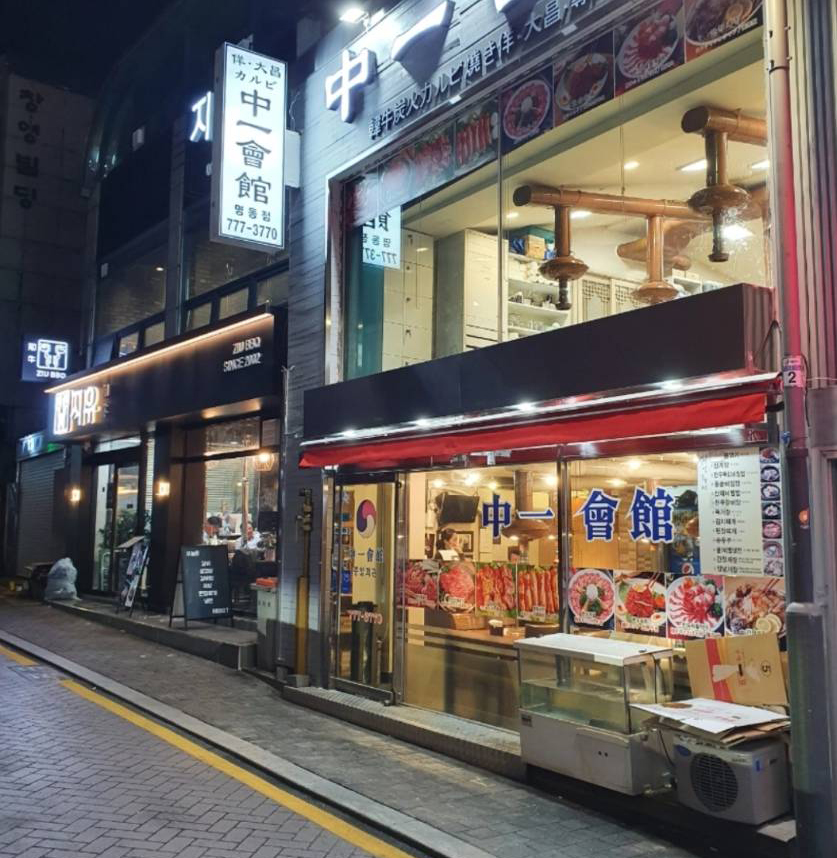
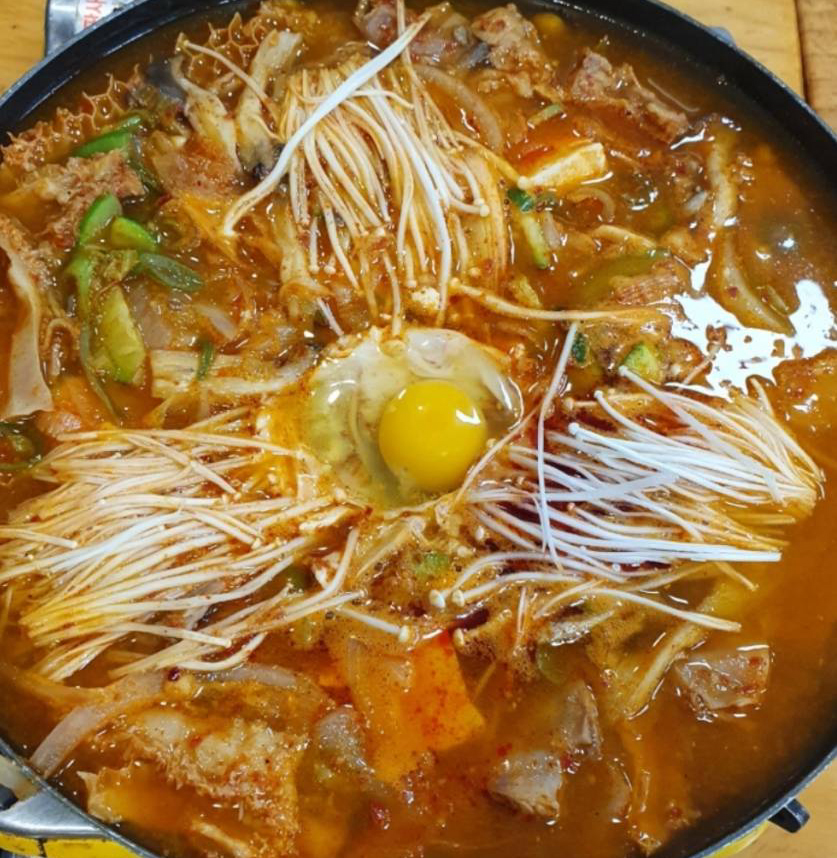
The other star of this guide is Jungil Hoegwan (중일회관). In addition to raw beef liver, it is worth visiting for kimchi bulgogi and gopchang-jeongol. The storefront in the photo is marked “中一會館.”
Do not forget the gopchang-jeongol—a Korean hot pot that simmers beef intestines together with vegetables. I have included photos of both the storefront and the bubbling pot. If you want meat and hot pot, clear some room in your dining schedule.
With gopchang-jeongol, even the sound of the pot simmering feels like part of the feast. The rich flavor of the intestines spreads through the vegetables and broth, and conversation flows as everyone serves themselves from the same pot. Will you go for the sweet-and-spicy kimchi bulgogi or gather around the steaming hot pot? If the dinner debate runs long, I’ll happily join in.
The beauty of hot pot is how every ingredient adds another layer of flavor as it cooks. Take a bite of gopchang, pick up some vegetables with your chopsticks, then return to the broth. As you wait for your next bite through the rising steam, you realize that the time spent around the table is part of the meal. One look at the pot in the photo is enough to make you long for an evening of sharing it while it is still piping hot.
Lunch at Jungil Hoegwan|Kimchi Bulgogi
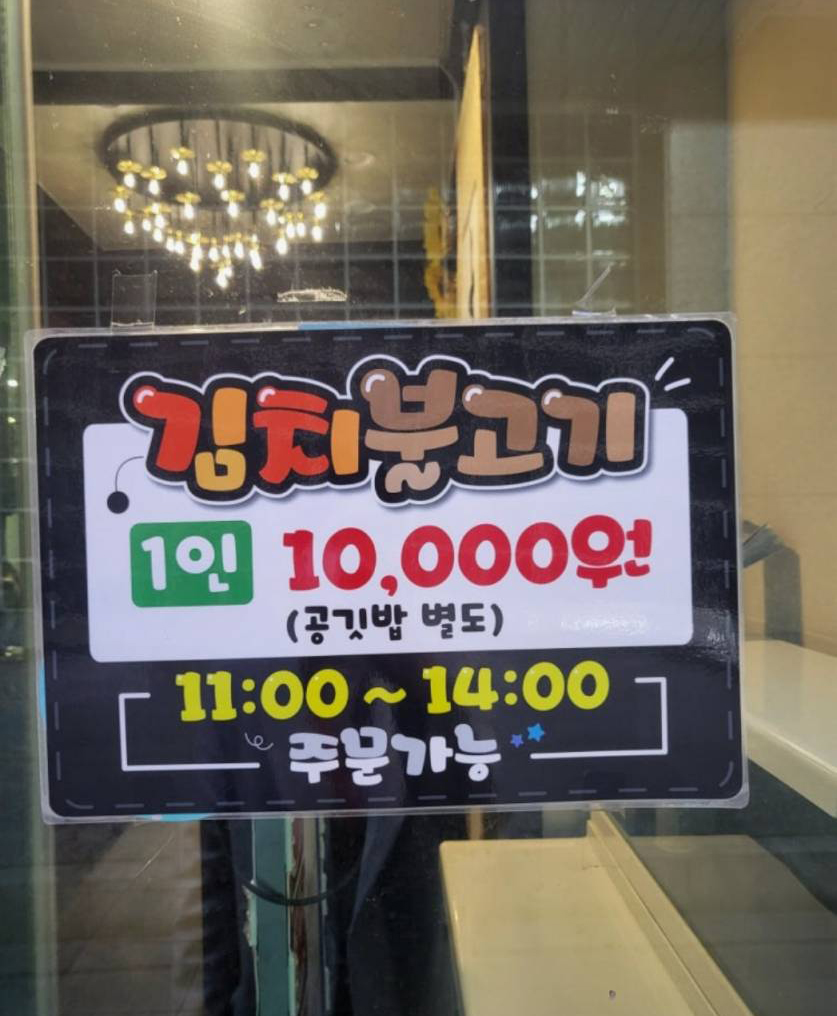
Kimchi bulgogi is also a tempting lunch option. The photographed sign lists it at ₩10,000 per person, with rice sold separately, and available from 11:00 a.m. to 2:00 p.m. Our local contact confirmed that this menu belongs to Jungil Hoegwan. Prices and hours are current as of the date photographed. It is a lunchtime-only dish, so do not let an accidental nap make you miss it.
The tang and heat of kimchi layered over savory meat make kimchi bulgogi the kind of lunch that demands a bowl of rice. Its bold, clearly defined flavors make it ideal fuel for an afternoon of walking. If you spot the sign, check what is being served that day.
Once the acidity of the kimchi meets the savoriness of the meat, it may be hard to stop reaching for more white rice. If you are looking for a satisfying, unmistakably Korean lunch, this is one dish to remember. The sign alone may have you counting backward to your next mealtime.
Raw Beef Liver You Cannot Order at Restaurants in Japan—Available at Two Myeongdong Spots
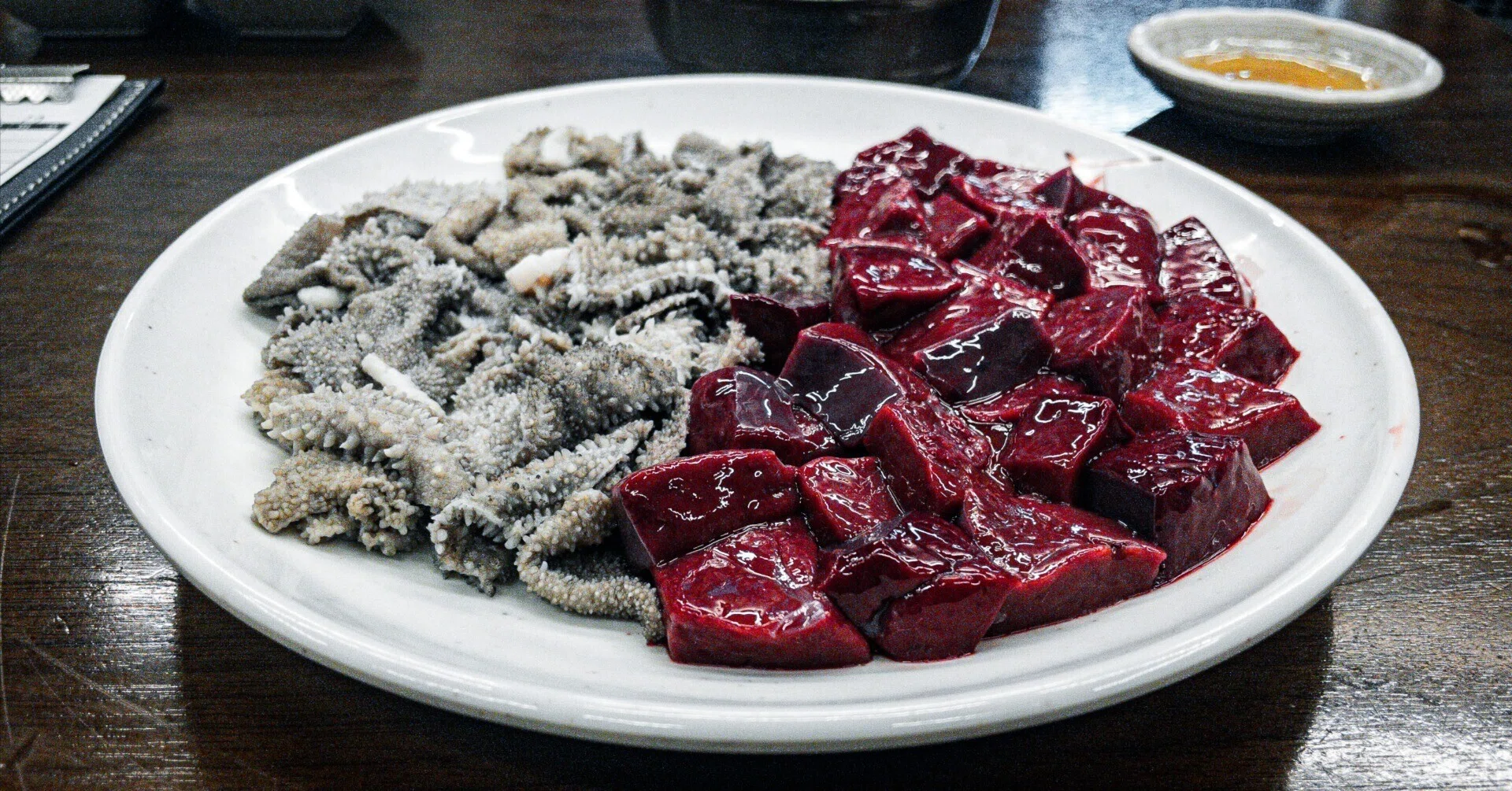
Since 2012, restaurants in Japan have been prohibited from serving beef liver for raw consumption. If you have been missing rebasashi, the two places I recommend in Myeongdong are Daega (대가) and Jungil Hoegwan (중일회관). Both serve raw beef liver. Add this dish—one you will no longer find at Japanese yakiniku restaurants—to the culinary pleasures of your trip to Korea.
If raw liver is your priority, remember these two names. Its smooth texture offers a completely different experience from grilled meat. Precisely because you can no longer order it at a restaurant in Japan, it gives your Myeongdong dinner a special purpose: “This is what I came to eat tonight.”
If raw beef liver is your answer to “What do you want to eat in Korea?”, your trip becomes a little more memorable. Enjoy a plate before your barbecue or alongside other meat dishes, creating a combination unlike your usual meal out in Japan. Choosing a restaurant around one particular craving is one of the joys of travel.
Take a Video Walk Through Myeongdong at Night
Before moving on to the other restaurants, let’s take a short walk through Myeongdong after dark. Myeongdong Street glows with food stalls and streams of people, while the alleys toward Chicken Street reveal another side of the neighborhood. These short videos, filmed on location, capture an atmosphere that still photos cannot. Watch them as if you were walking beside me.
The videos autoplay without sound. If autoplay is unavailable on your device, press the play button.
Six More Myeongdong Stops for Breakfast or a Break While Exploring
Once your evening plans at Daega or Jungil Hoegwan are set, it is time to think about breakfast and lunch. Choose according to the time of day and your appetite: rice porridge, seafood, noodles, seolleongtang and more.
3. Seowon Juk (서원죽)|A Warm Breakfast in Myeongdong
Address:141 Toegye-ro, Jung-gu, Seoul, B1F
Hours (guide):Mon–Sat 07:00–16:30; Sun 07:00–14:00
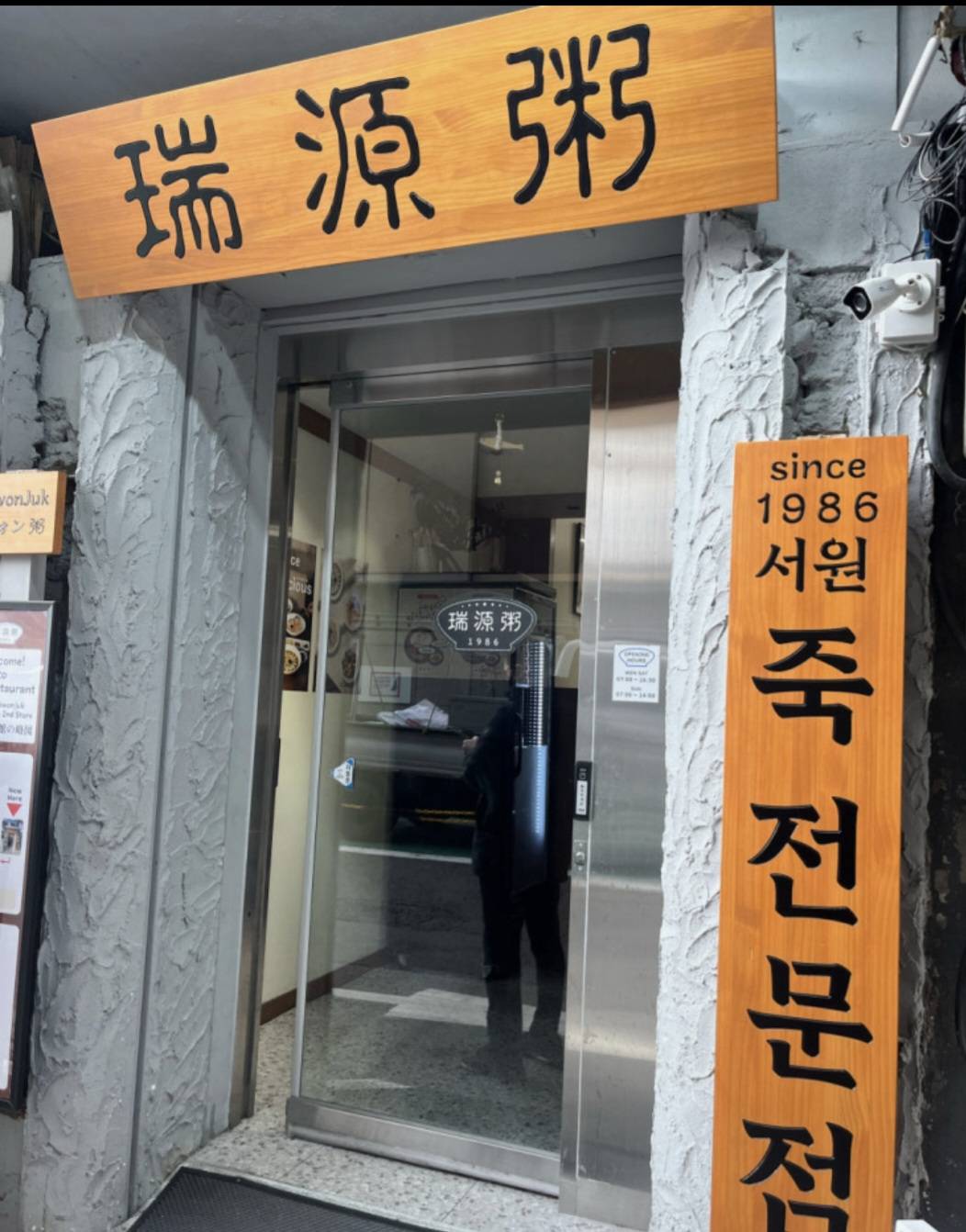
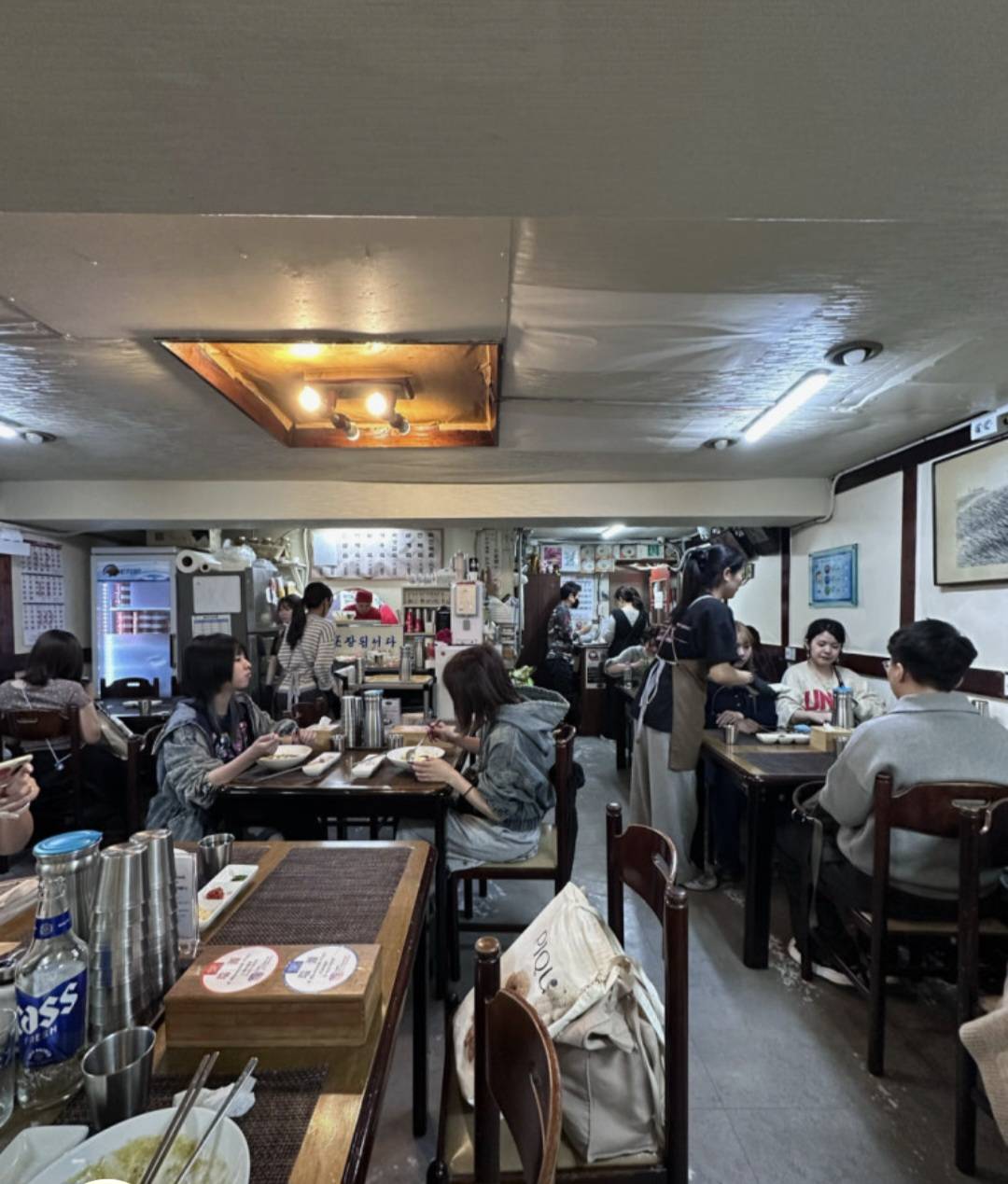
Whether you want to start the day at full speed or gently wake your stomach, Seowon Juk is one of my morning picks. Korean rice porridge is called juk (죽), and part of the fun is choosing the ingredients. A warm breakfast is especially welcome after a late night.
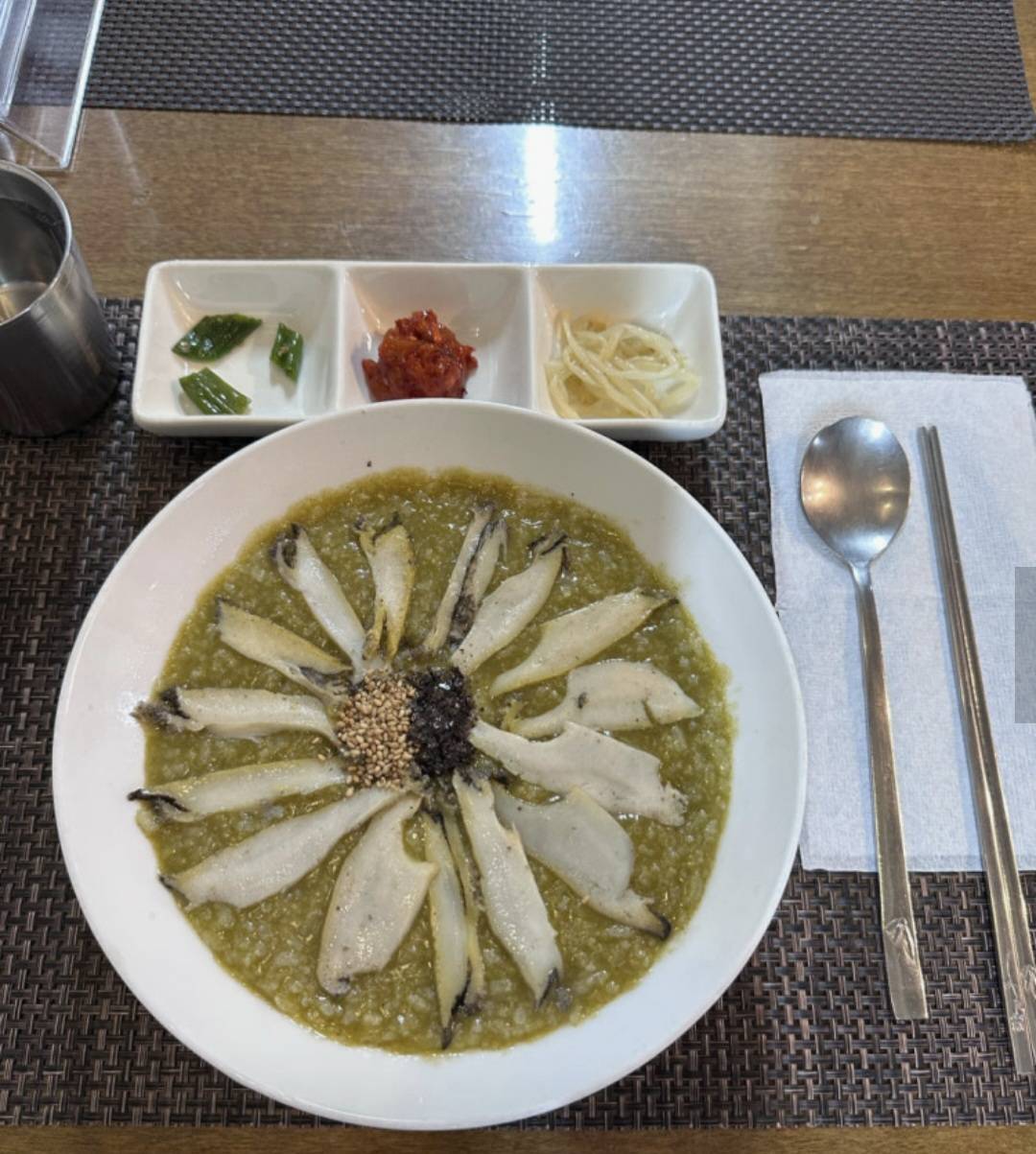
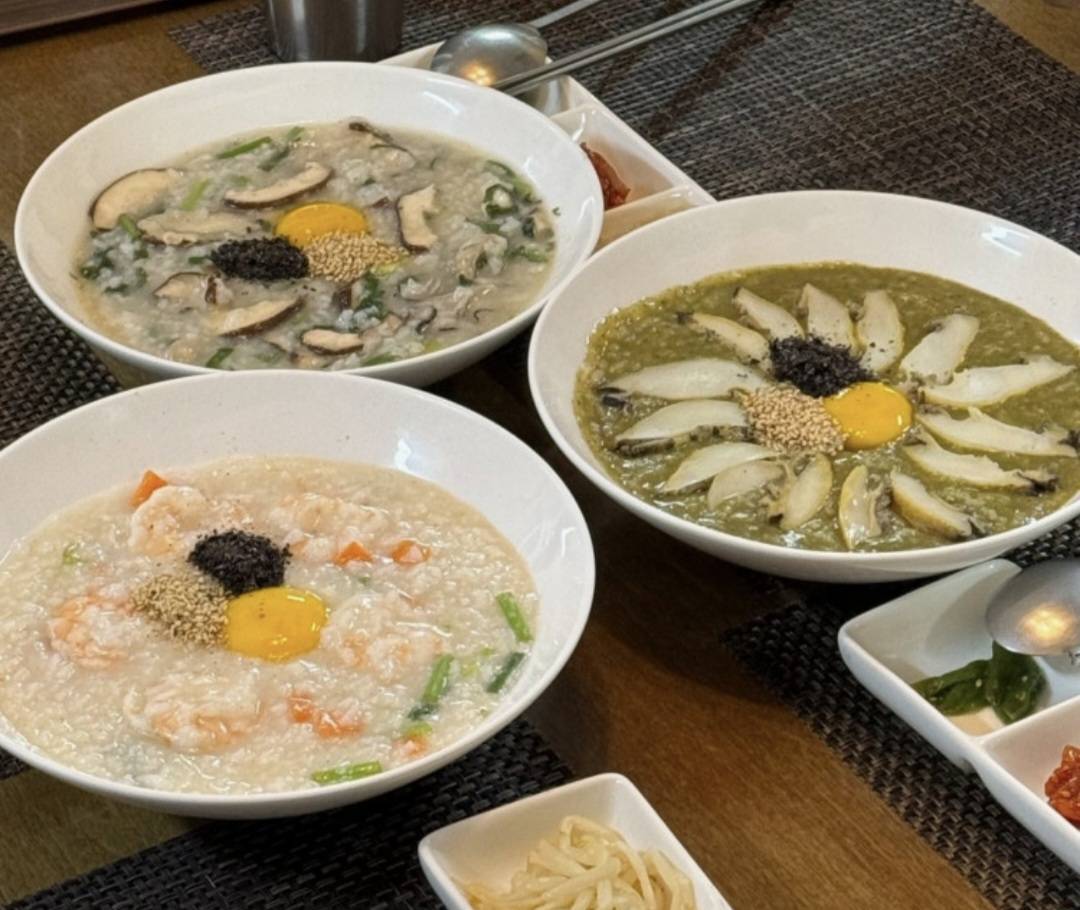
Begin with a spoonful from the steaming bowl. A morning spent slowly savoring the soft rice and the flavor of the ingredients can feel wonderfully comforting, even when you are far from home. Save the richer dishes for dinner and warm your stomach in the morning—another delightful way to eat your way through Myeongdong.
What you want from breakfast is not always an intense burst of flavor, but the kind of deliciousness that naturally makes you reach for “just one more spoonful.” Add the side dishes shown in the photo and your spoon and chopsticks will stay busy, alternating between porridge and banchan. Before starting your day in Myeongdong, let the steam itself become part of the meal.
Best for: Travelers looking for breakfast in Myeongdong or something that is not spicy. The photos show examples of the food, but please check the current menu and prices at the restaurant.
4. Hyangwon Juk (향원죽)|Another Excellent Breakfast Option
Address:48 Myeongdong 8ga-gil, Jung-gu, Seoul, 2F
Hours (guide):07:00–14:00
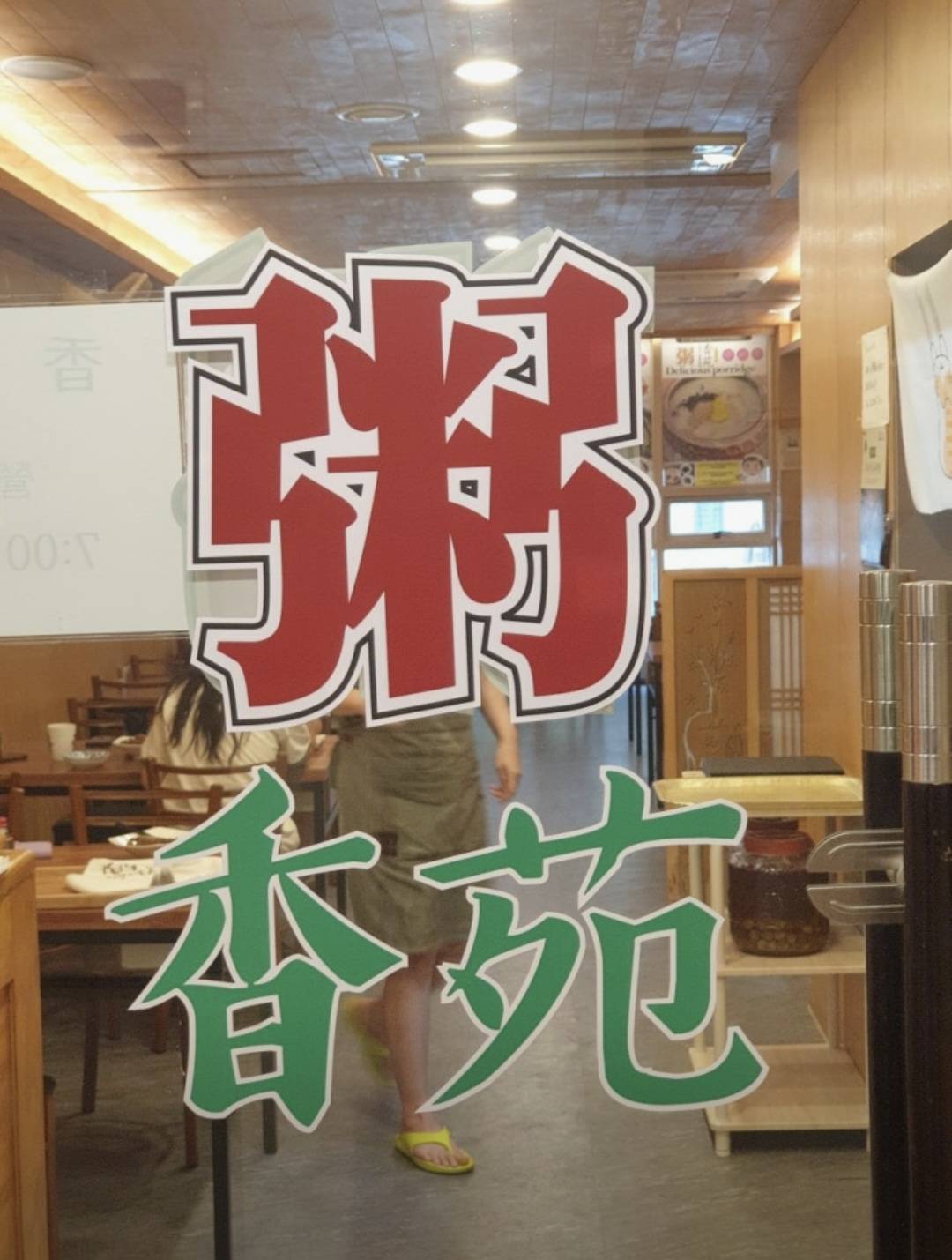
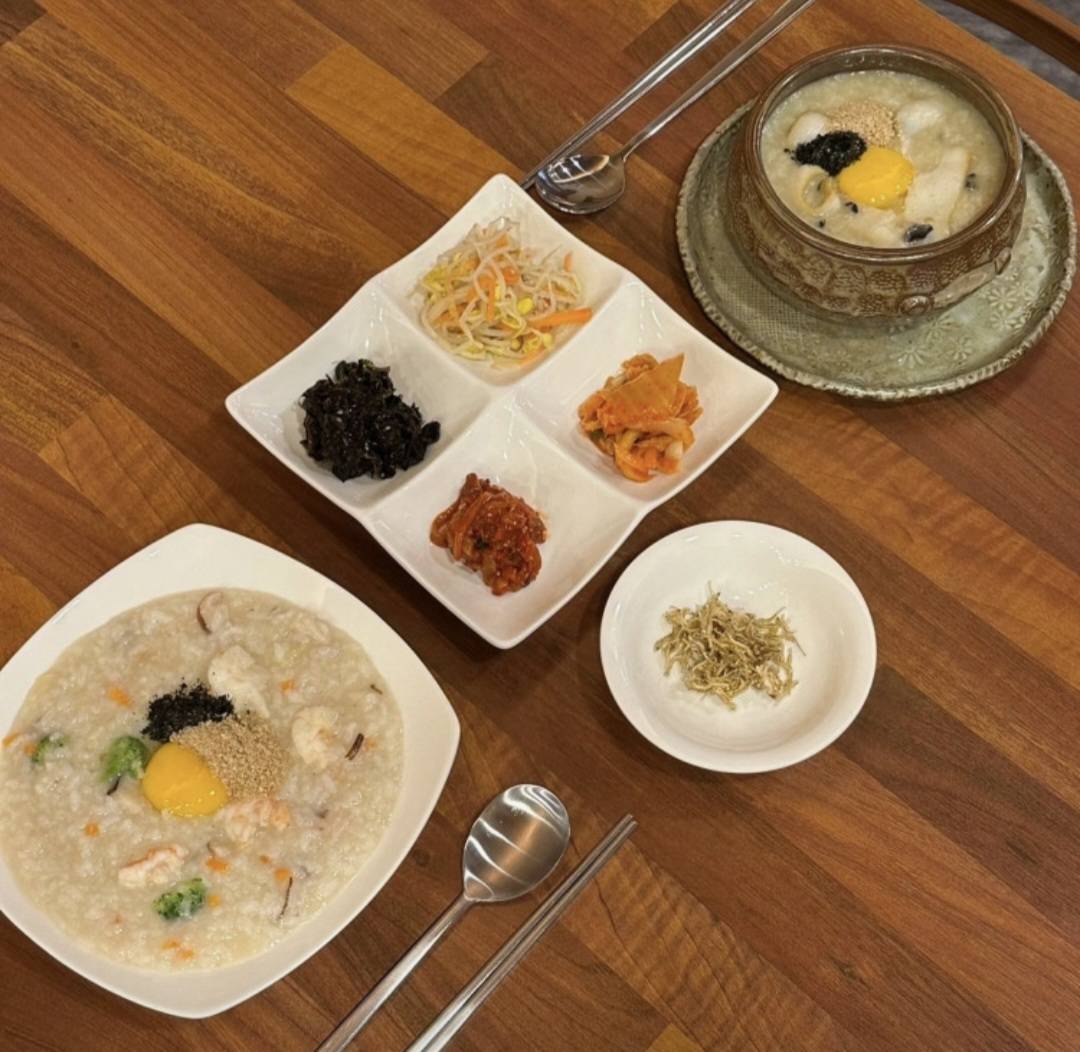
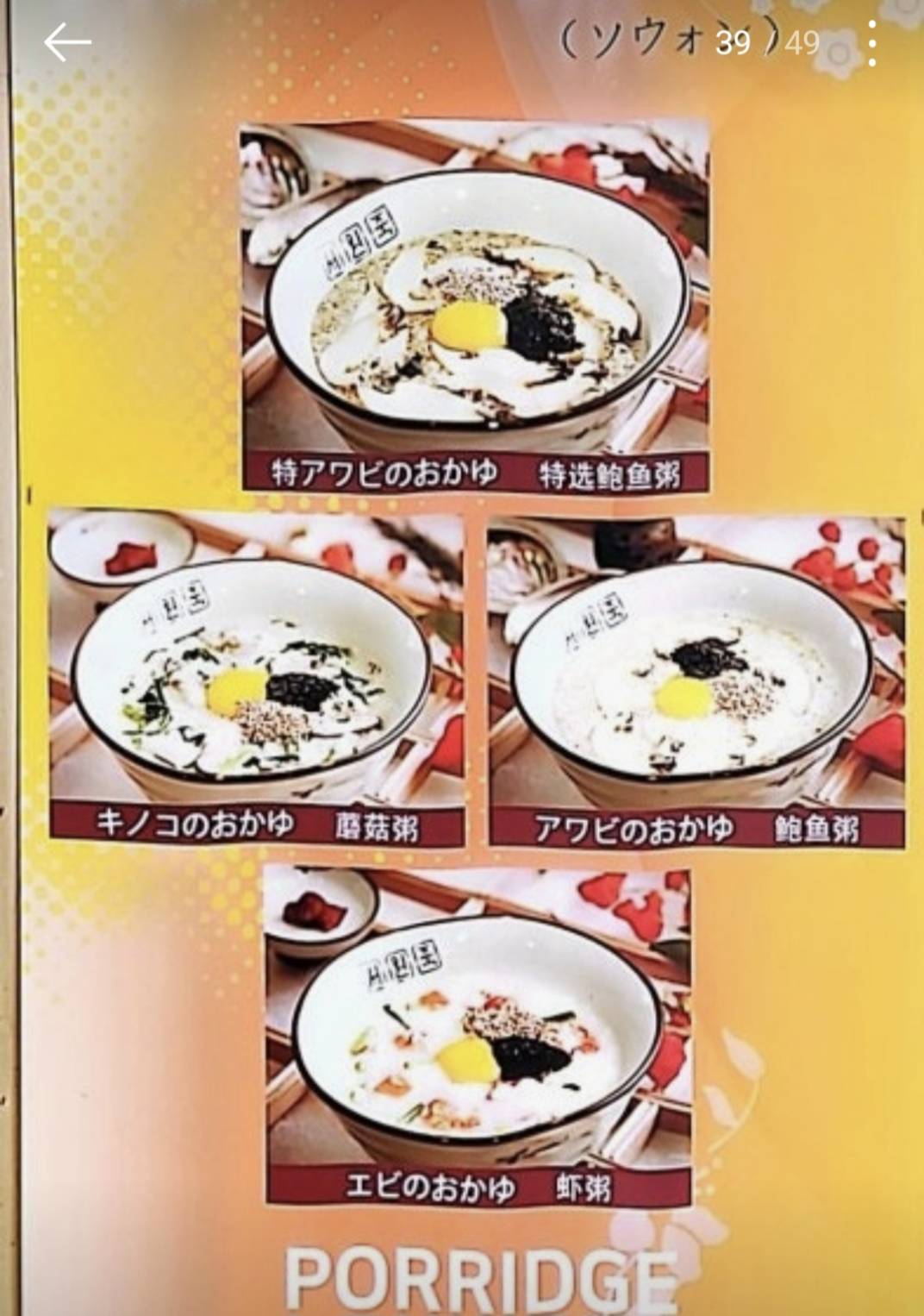
Thinking, “Porridge again?” It is useful to have two breakfast options. Hyangwon Juk is another easy-to-enjoy restaurant I recommend. Choose between it and Seowon Juk based on the distance from your hotel and which one is open that day. Time spent getting lost in Myeongdong in the morning is better spent eating.
One of the pleasures of porridge is that you can enjoy it slowly, at your own pace. Blow gently on each piping-hot spoonful and a hectic travel morning begins to settle down. If the photo makes you think, “Something this gentle would be perfect today,” add it to your breakfast list.
As you eat the warm porridge spoonful by spoonful, even a chilled body seems to relax. Travel often tempts us to seek out lavish food at every meal, but a simple breakfast like this may be the one that makes you say, “I want this again tomorrow.” For porridge lovers, choosing between two good restaurants is a happy dilemma.
5. Odarijip (오다리집)|Try Ganjang Gejang
Address:28 Myeongdong 8na-gil, Jung-gu, Seoul, 2–3F
Hours (guide):08:00–23:00 (last order 22:20; barbecue menu from 11:00)
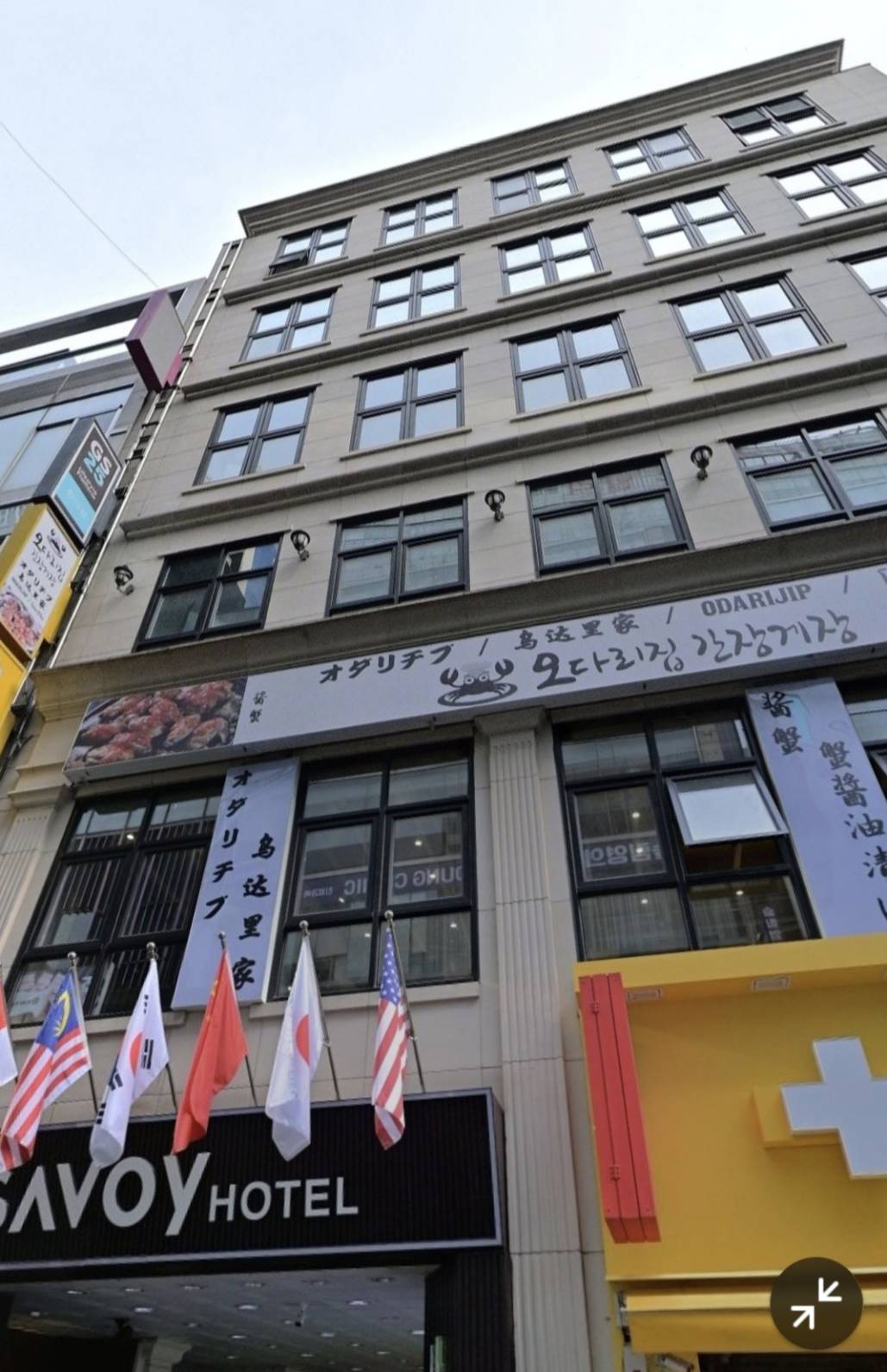
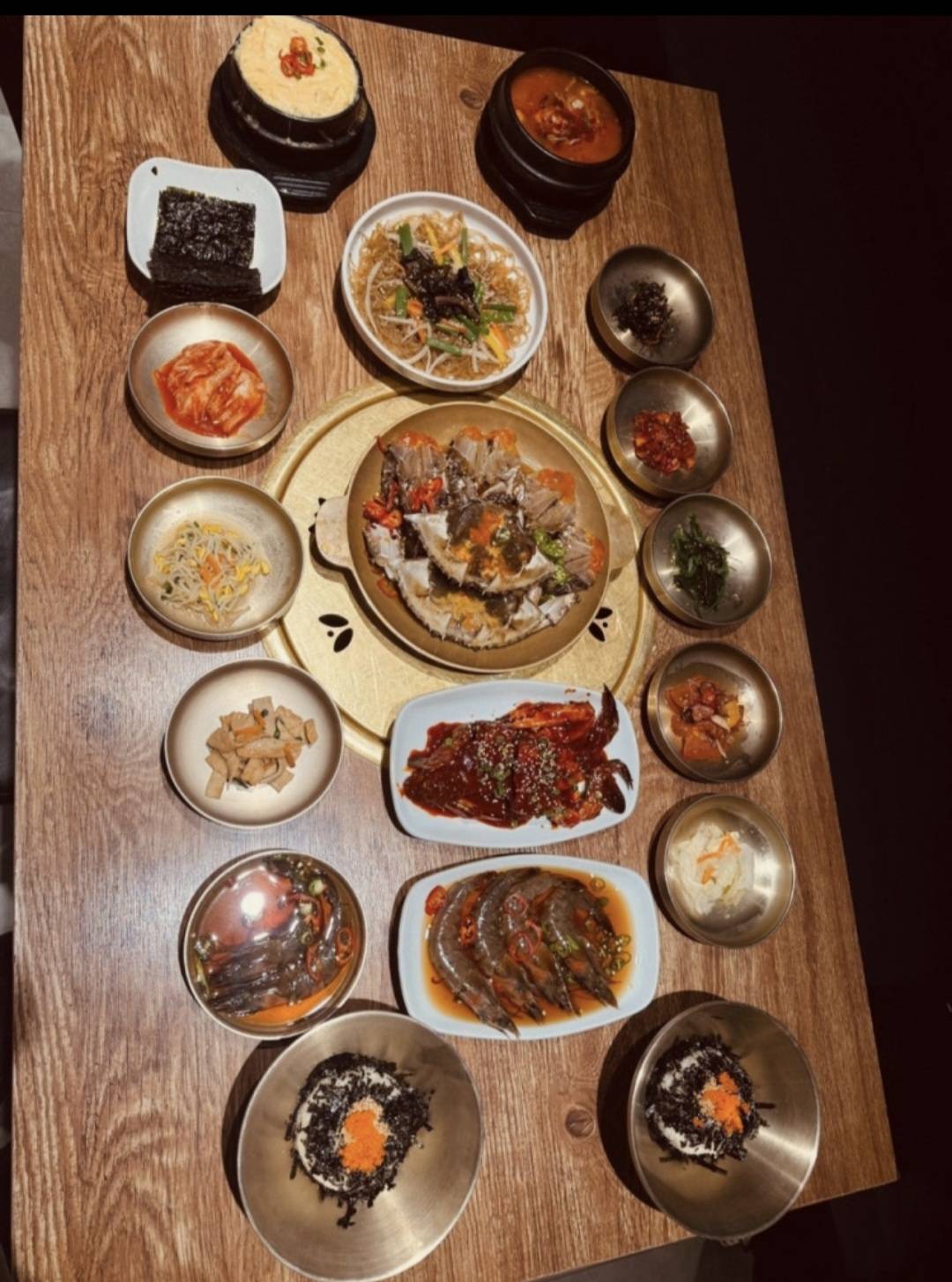
If you want a taste that says, “I’m really in Korea!” without ordering barbecue, I recommend the ganjang gejang at Odarijip. Raw blue crab is marinated in a soy-based sauce, and it makes rice disappear alarmingly fast. Planning to order an extra bowl of white rice may simply be part of the itinerary.
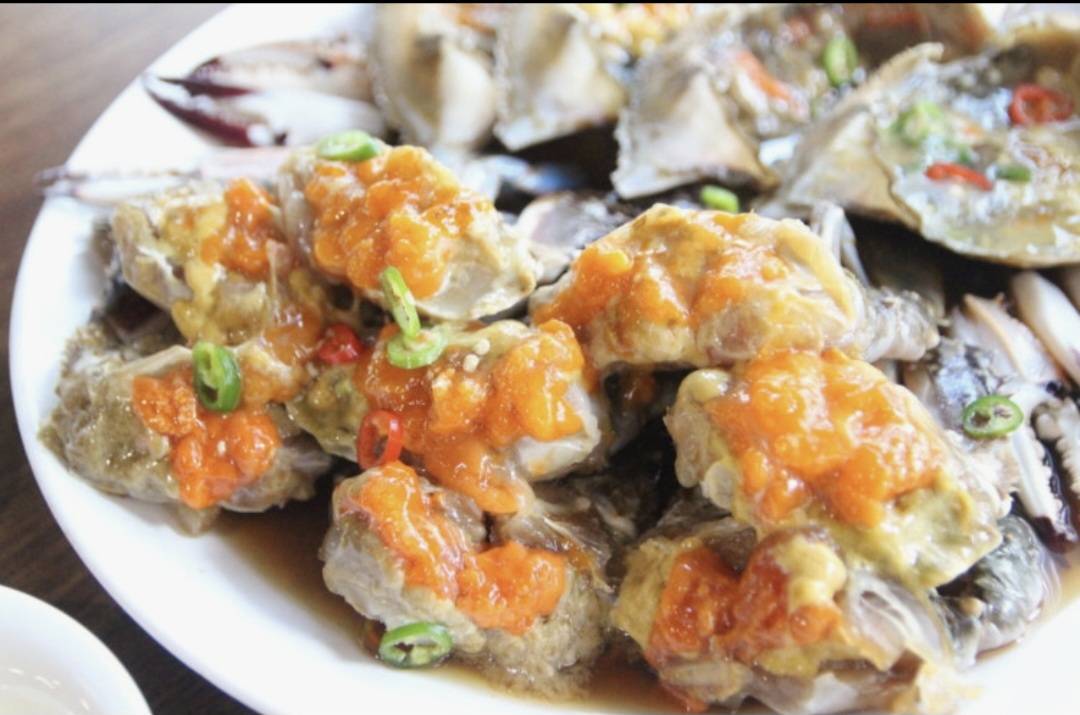
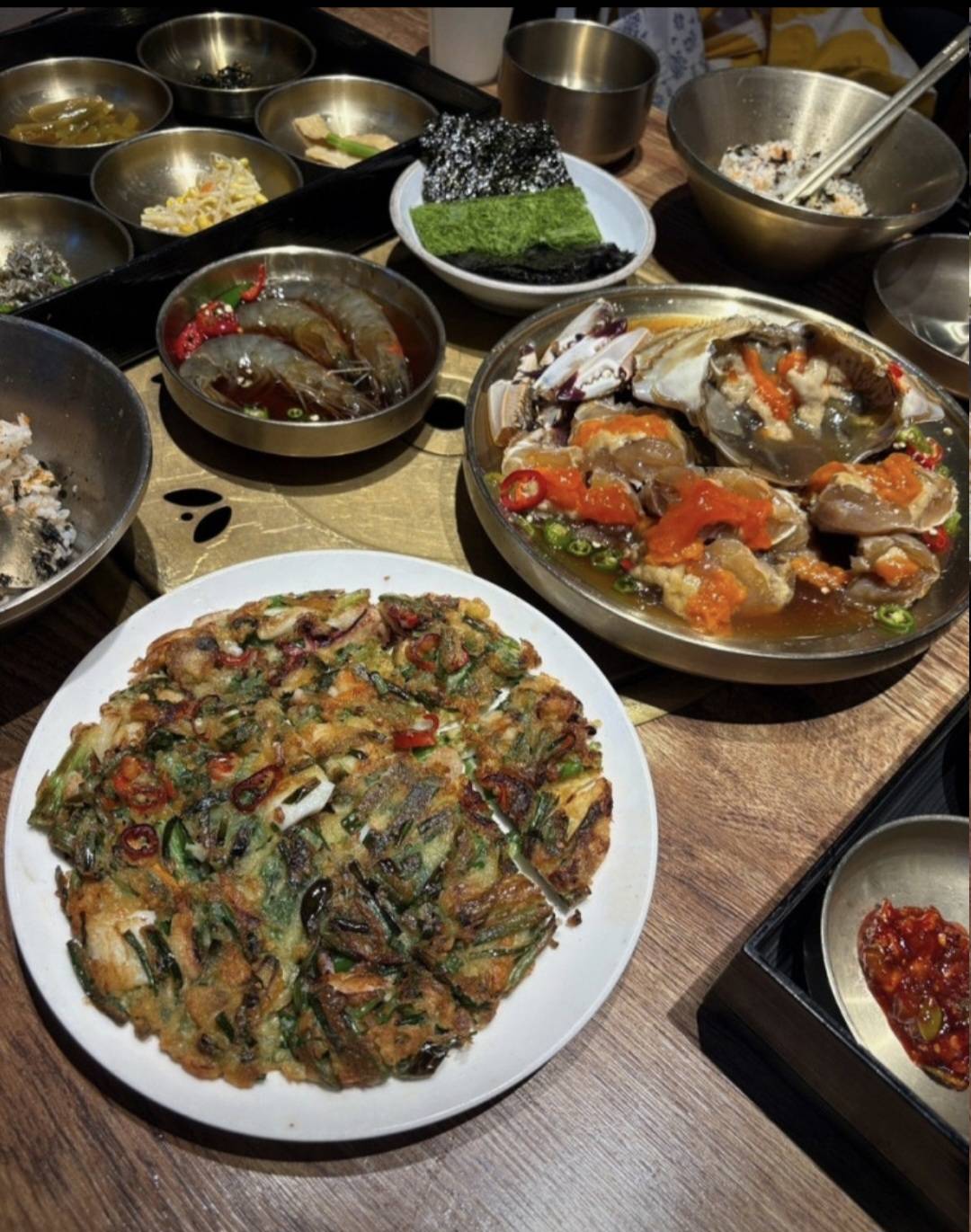
The pleasure of ganjang gejang lies in the combination of silky crabmeat and white rice soaking up the savory soy marinade. Just looking at the glossy crab in the photo makes you want to have your rice ready before your chopsticks. Seafood lovers should reserve a proper slot for this dish in their Myeongdong meal plan.
After tasting the crabmeat, you will want to reach once more for rice coated in the sauce. Imagine that pairing and you will understand why ganjang gejang is known as a “rice thief.” With the taste of the sea and the depth of soy sauce, white rice cannot remain a supporting character. This is a place to visit after declaring, “Today is seafood day.”
Before you eat: This dish is made with raw crab. Take care if you have a shellfish allergy or avoid raw food. Confirm the menu and prices before visiting.
6. Myeongdong Kyoja (명동교자)|Kalguksu, Korea’s Knife-Cut Noodles
Address:29 Myeongdong 10-gil, Jung-gu, Seoul
Hours (guide):10:30–21:00 (last order 20:30)
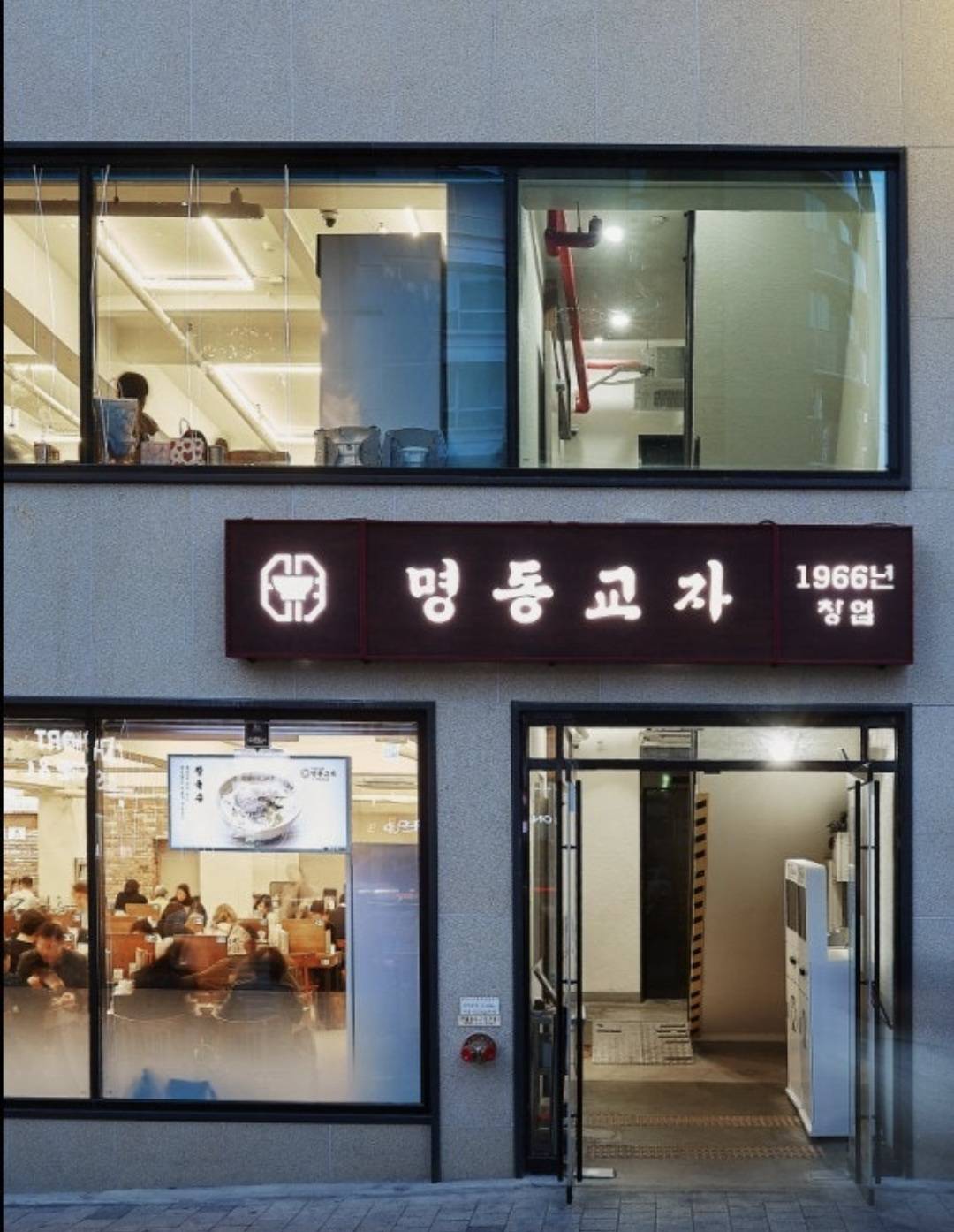
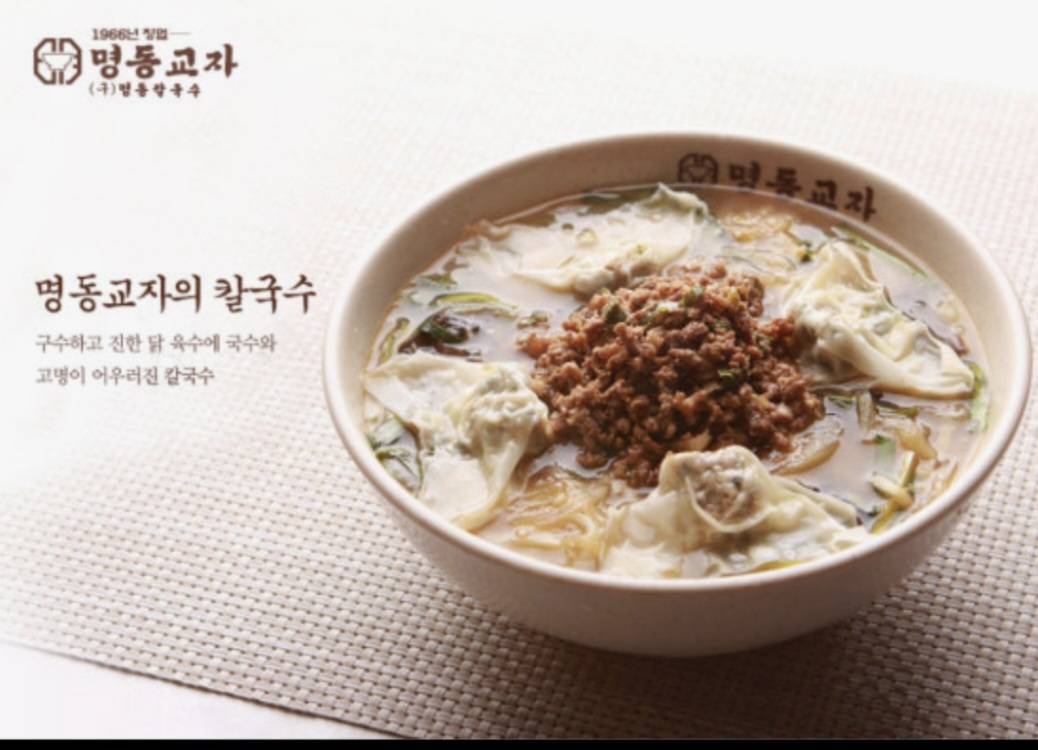
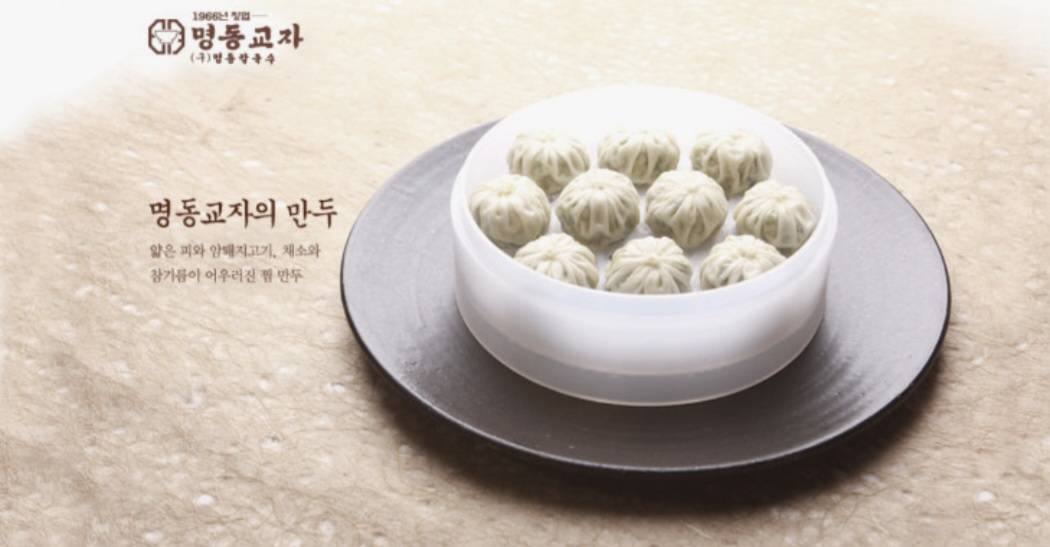
If you think all Korean food is spicy, I want to take you to Myeongdong Kyoja. Its signature kalguksu is a Korean noodle dish served in a warm broth. The mandu in the photo are tempting too, but start with the kalguksu. Once you begin slurping the noodles, your worries about heat will slip away.
Kalguksu lets you enjoy warm broth and noodles together. Alternate between noodles and soup, then reach for a mandu in between. The combination of slippery noodles and satisfyingly substantial dumplings should take care of any appetite worked up by a day of walking.
Set a bowl brimming with noodles in hot broth before you and the steam alone switches on your appetite. Slurp the noodles, sip the broth, then take a bite of mandu. It delivers all the satisfaction of a piping-hot noodle dish while remaining approachable for diners who are not seeking spice. That is why Myeongdong Kyoja is one of the first names I mention when someone asks, “What should I eat in Myeongdong?”
7. Wangbijib (왕비집)|Bibimbap and Pork Galbi
Address:26 Myeongdong 8ga-gil, Jung-gu, Seoul, 2F
Hours (guide):11:30–22:00 (break 14:00–16:30; last orders 13:30/21:00)
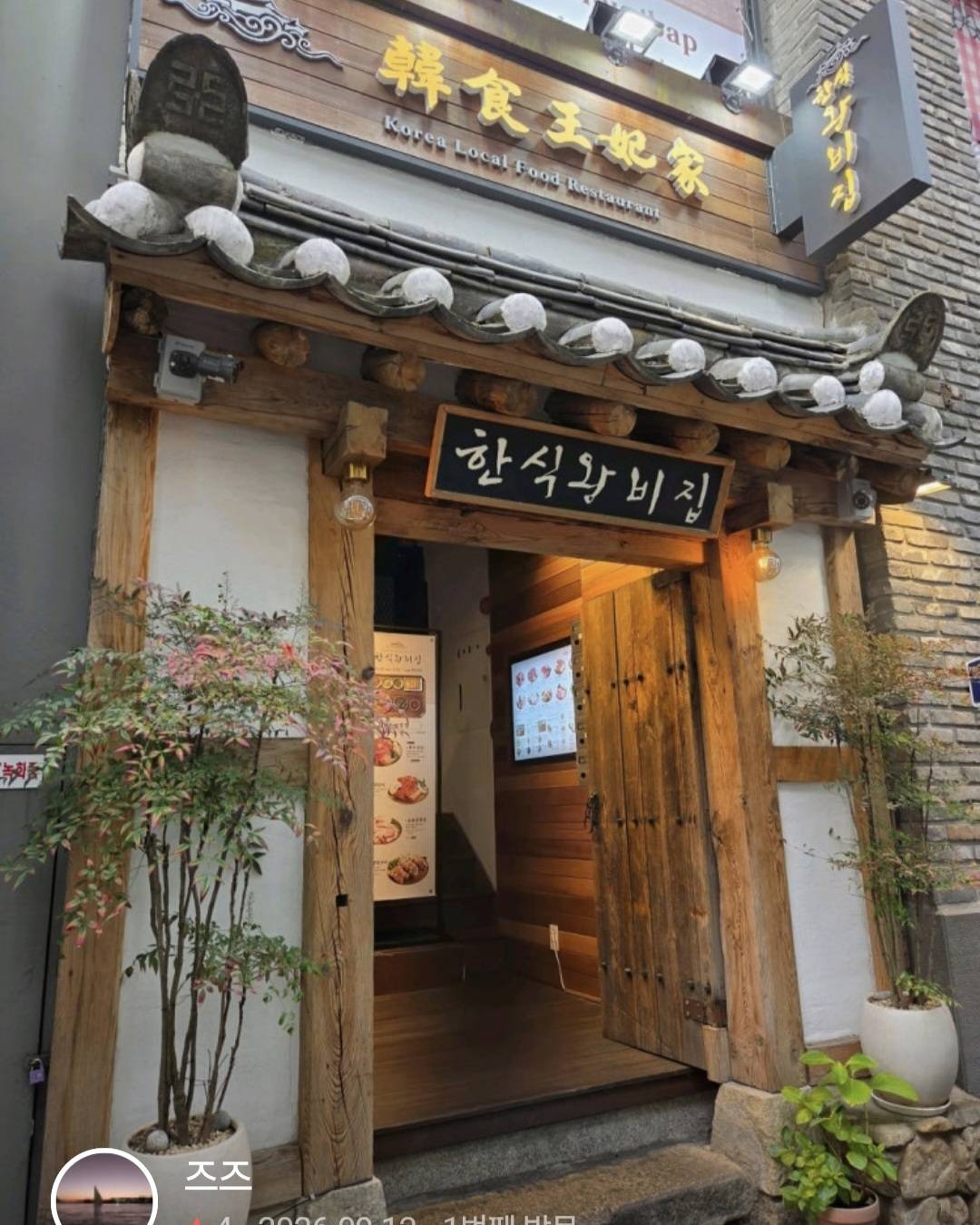
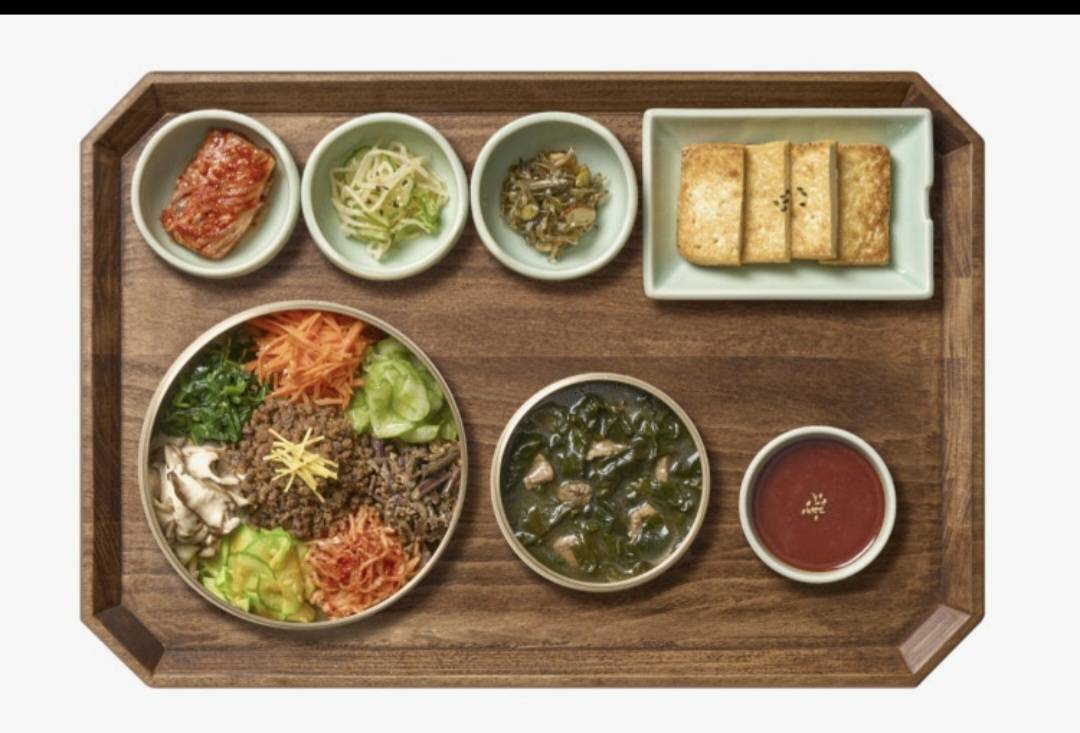
If lunchtime finds you torn between “I want meat” and “I can’t give up a rice dish,” remember Wangbijib. My recommendations are the bibimbap and pork galbi. Rather than debating until lunch is over, share both with your companions. If you are dining alone, check the portion and minimum order first so everything goes smoothly.
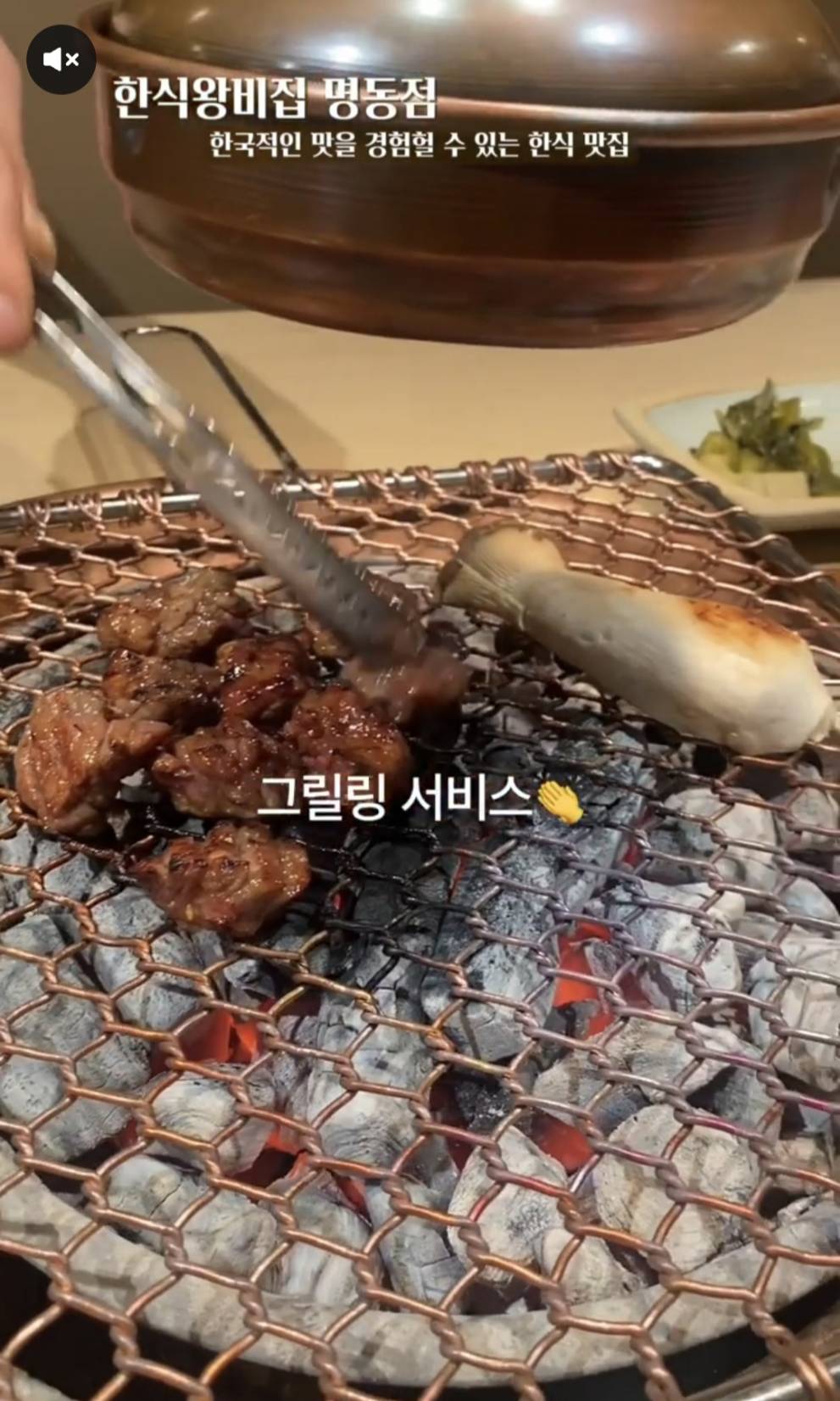
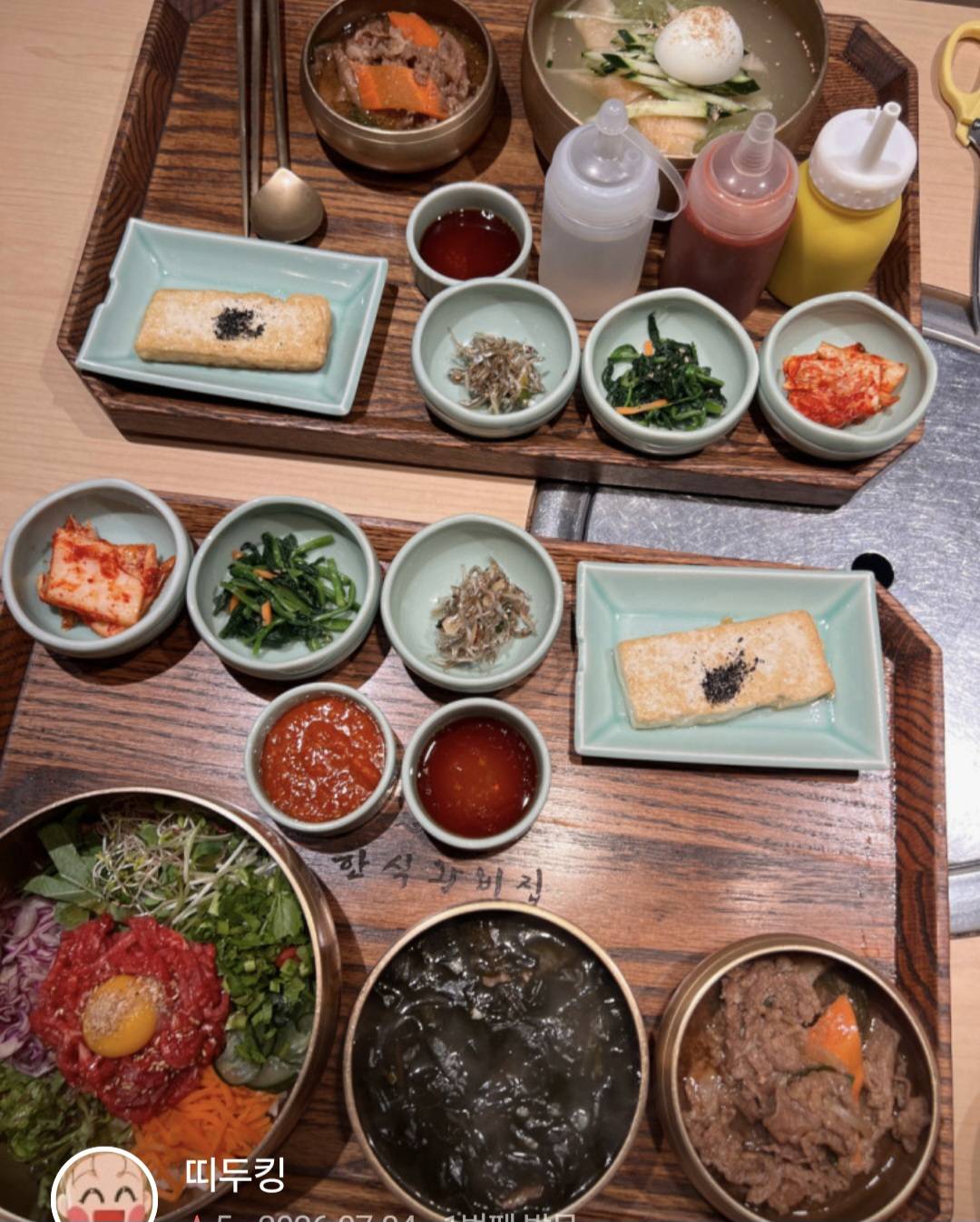
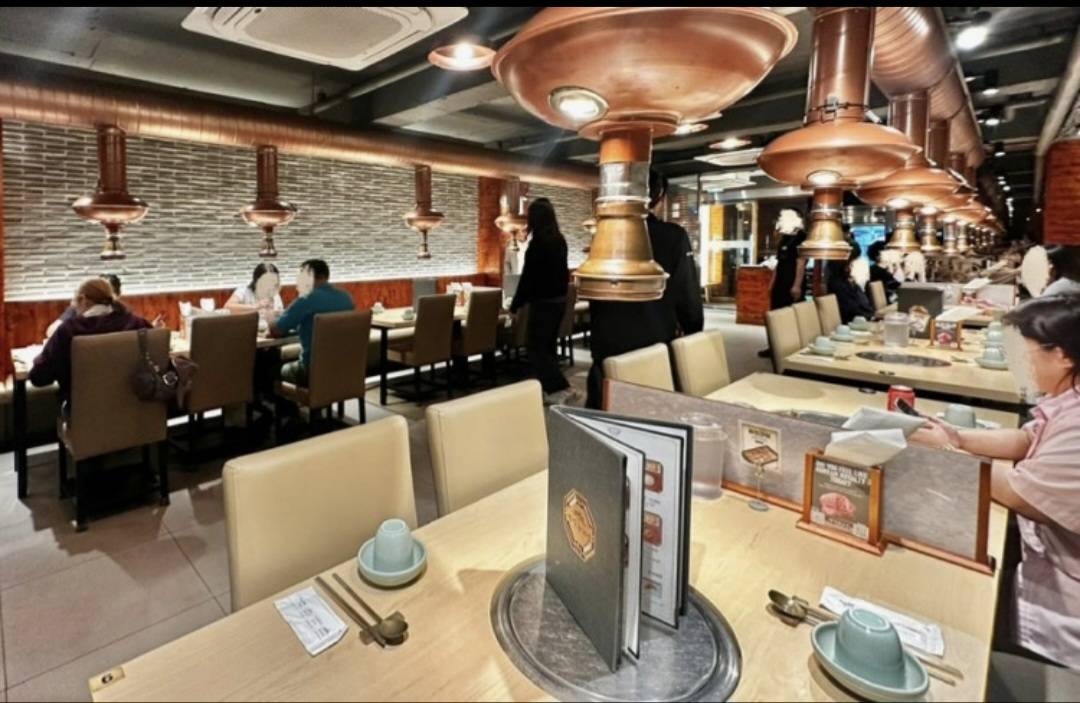
If you choose pork galbi, enjoy the smoky fragrance of the grilled meat and pair it with white rice and vegetables. With bibimbap, the flavor and texture change with every stir, so it remains interesting down to the last bite. Here, even the time spent deciding between “meat or rice?” is a worthy appetizer.
At a table filled with the aroma of barbecue, even waiting for the meat to cook feels exciting. Take a bite of pork galbi, follow it with a spoonful of bibimbap, and the smoky flavor and crisp vegetables renew your appetite. You may be “completely full,” but somehow there is still room for one last bite. Imagining that meal is enough to make you start saving space from lunchtime onward.
8. Miseongok (미성옥)|A Seolleongtang Institution Founded in 1966
Address:25-11 Myeongdong-gil, Jung-gu, Seoul
Hours (guide):06:00–21:00
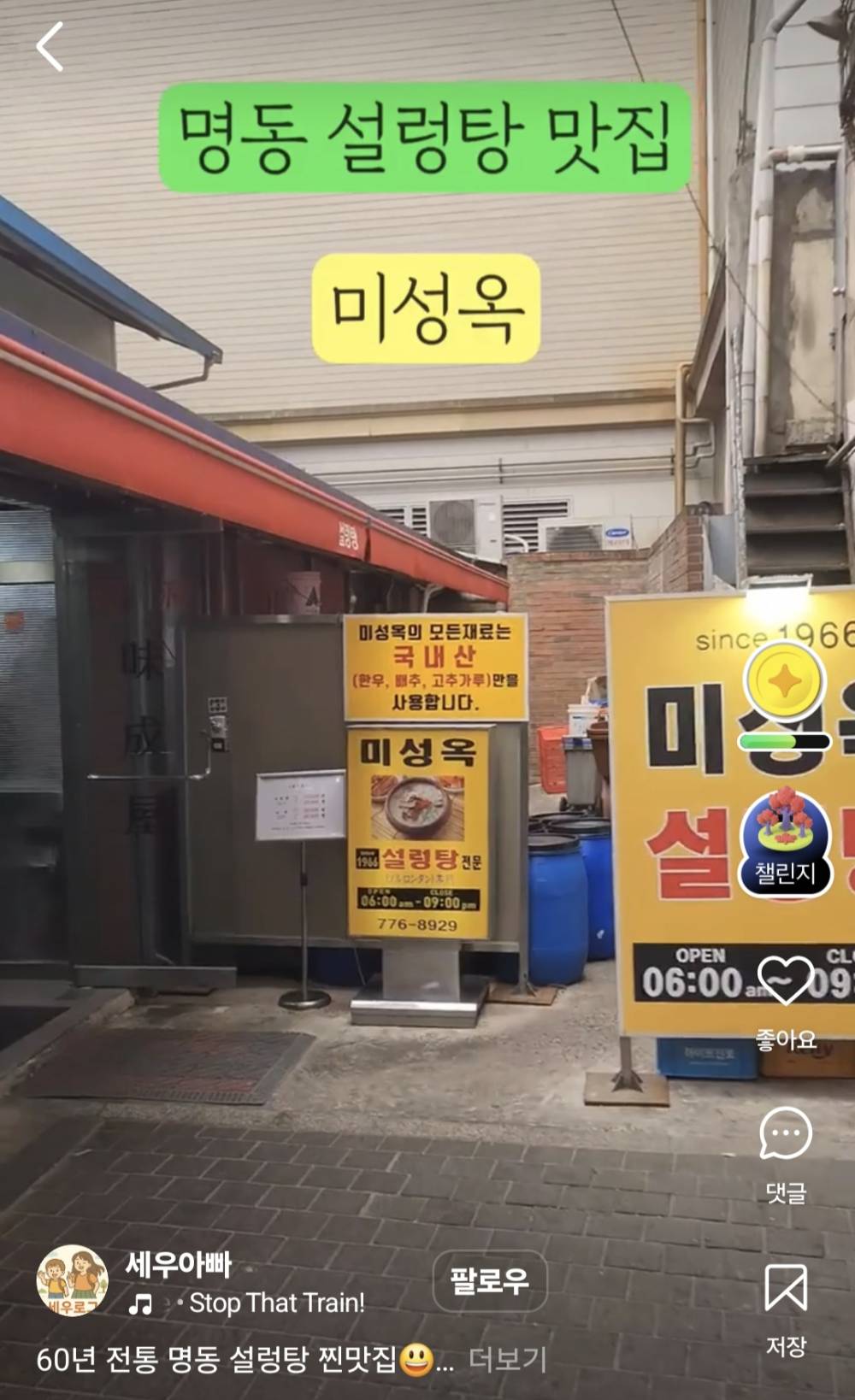
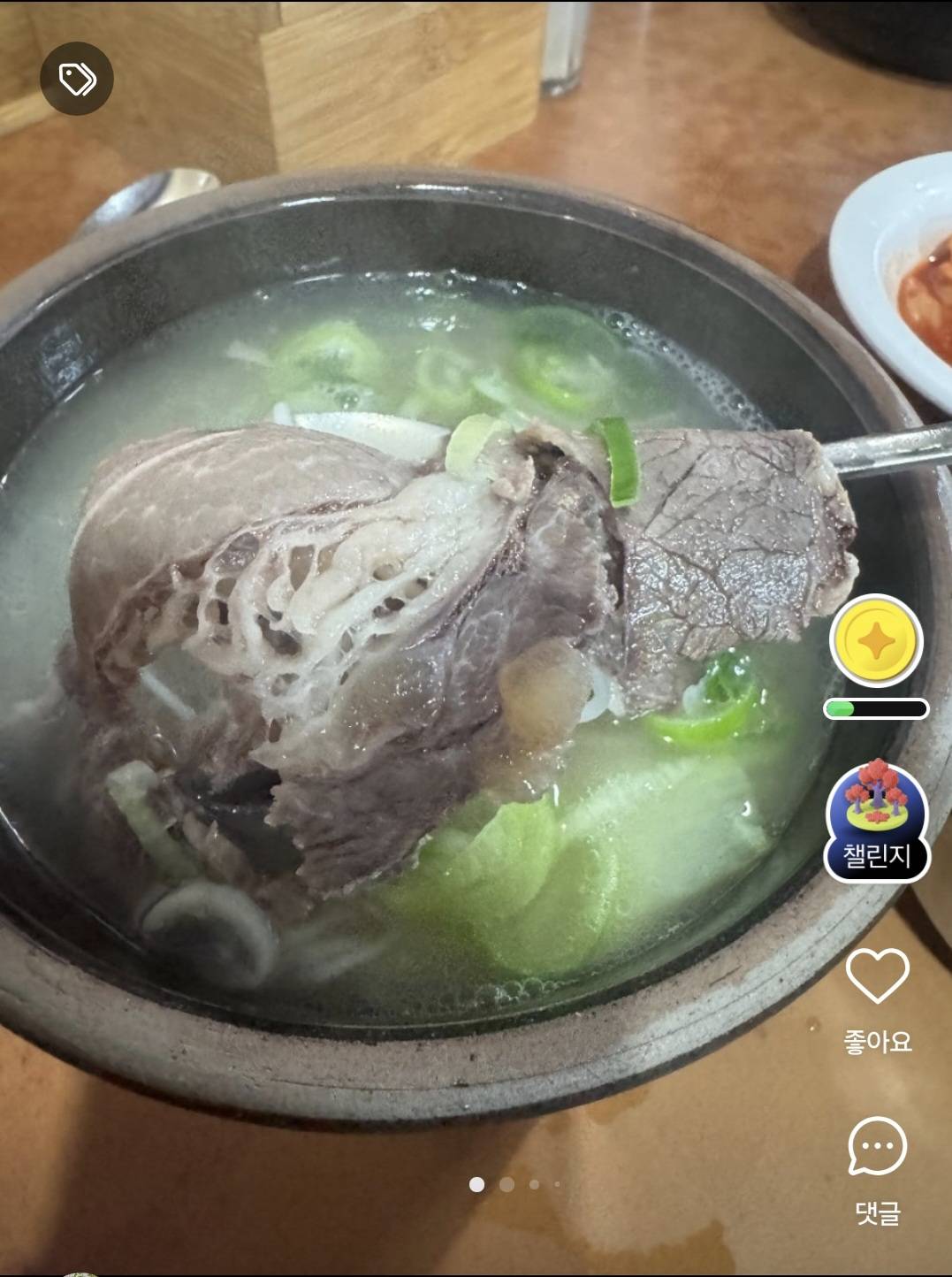
When you begin craving a warm bowl of soup, I head to Miseongok (미성옥), tucked into a back alley of Myeongdong. Founded in 1966, it is a long-running seolleongtang restaurant approaching its 60th year in 2026. Seolleongtang is a milky-white soup made by simmering beef bones and meat, and it is an easy recommendation for anyone who does not enjoy spicy food.
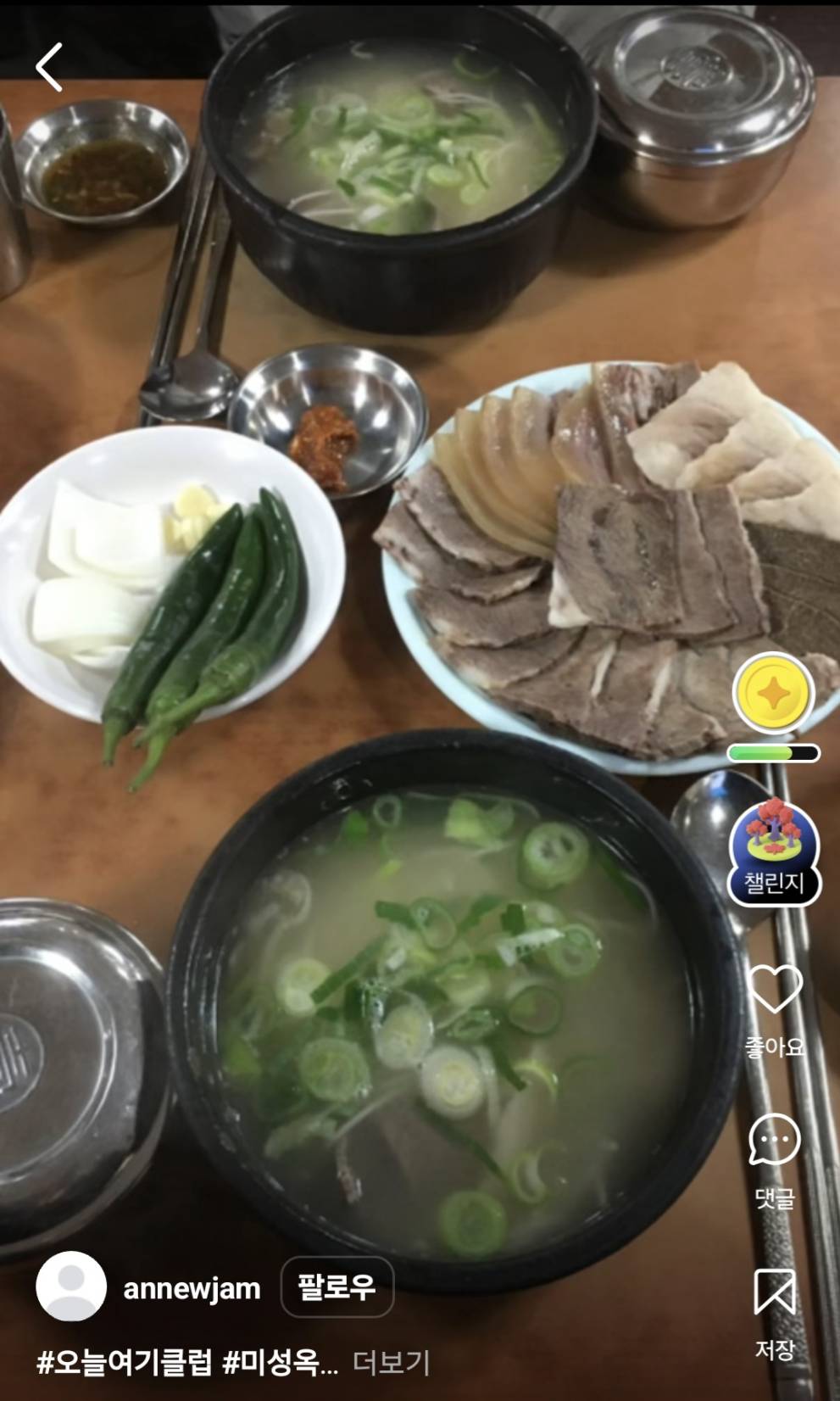
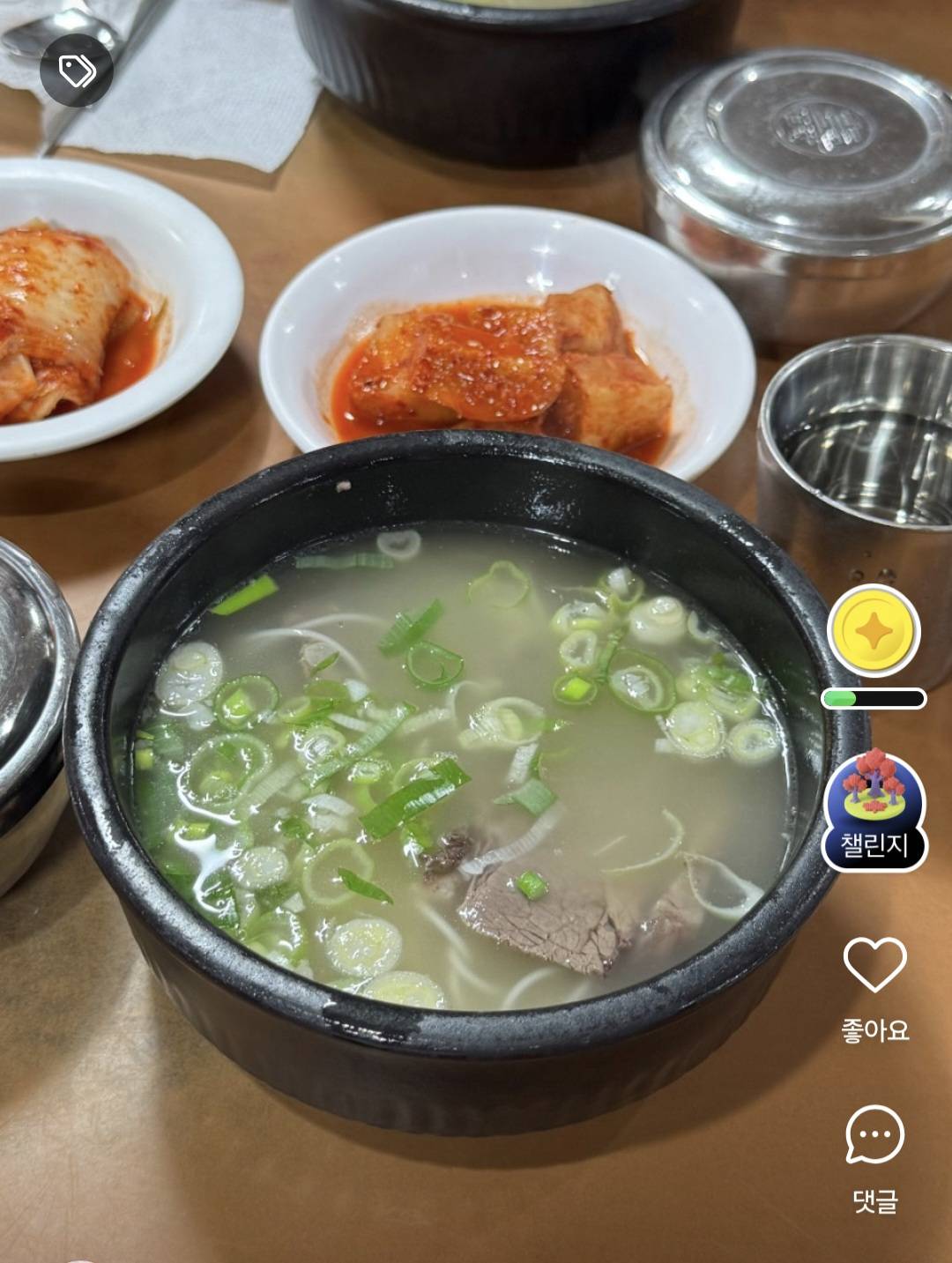
The steam rising from a cloudy-white bowl of seolleongtang makes you crave soup even on a mild day. Pair the warm, beefy broth with rice, then change the flavor with kimchi or kkakdugi. It is not flashy; it is the kind of food that leaves you thinking, “This is exactly the bowl I needed.”
Another charm of seolleongtang is that it does not have to taste the same from first spoonful to last. Enjoy the soup and rice, take a bite of kimchi, and the next sip of broth feels new again. That white bowl beyond the steam is a reward after a long day of walking around Myeongdong. It fills both your stomach and your spirits, making you want to explore the neighborhood a little longer.
The storefront also displays “since 1966.” Stop in while exploring Myeongdong and taste a dish that has been loved for decades.
One More Bowl After Dinner—or the Next Morning|Bugeoguk
Bugeoguk (북어국)|A Warm Dried-Pollock Soup
Address:38 Eulji-ro 1-gil, Jung-gu, Seoul
Hours (guide):Mon–Fri 07:00–20:00 (last order 19:30); Sat–Sun 07:00–15:00 (last order 14:30); may close when sold out
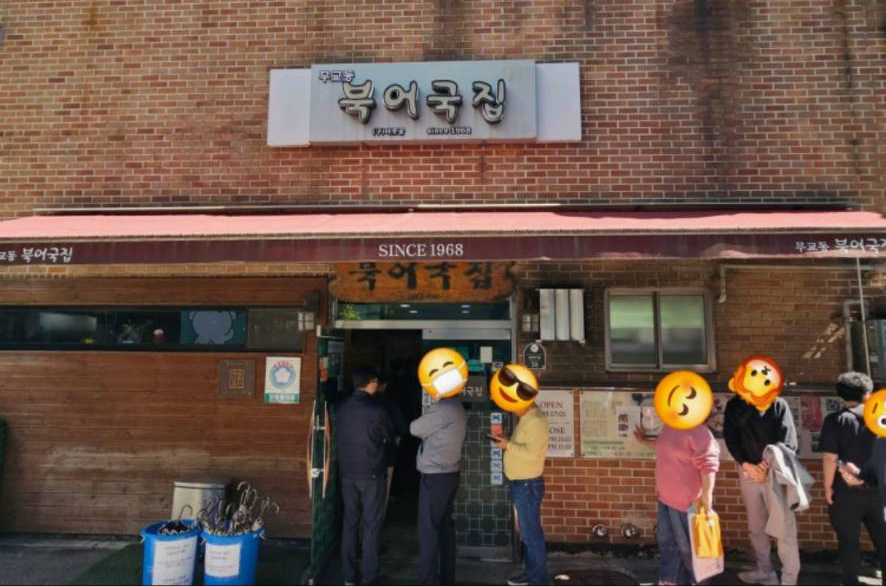
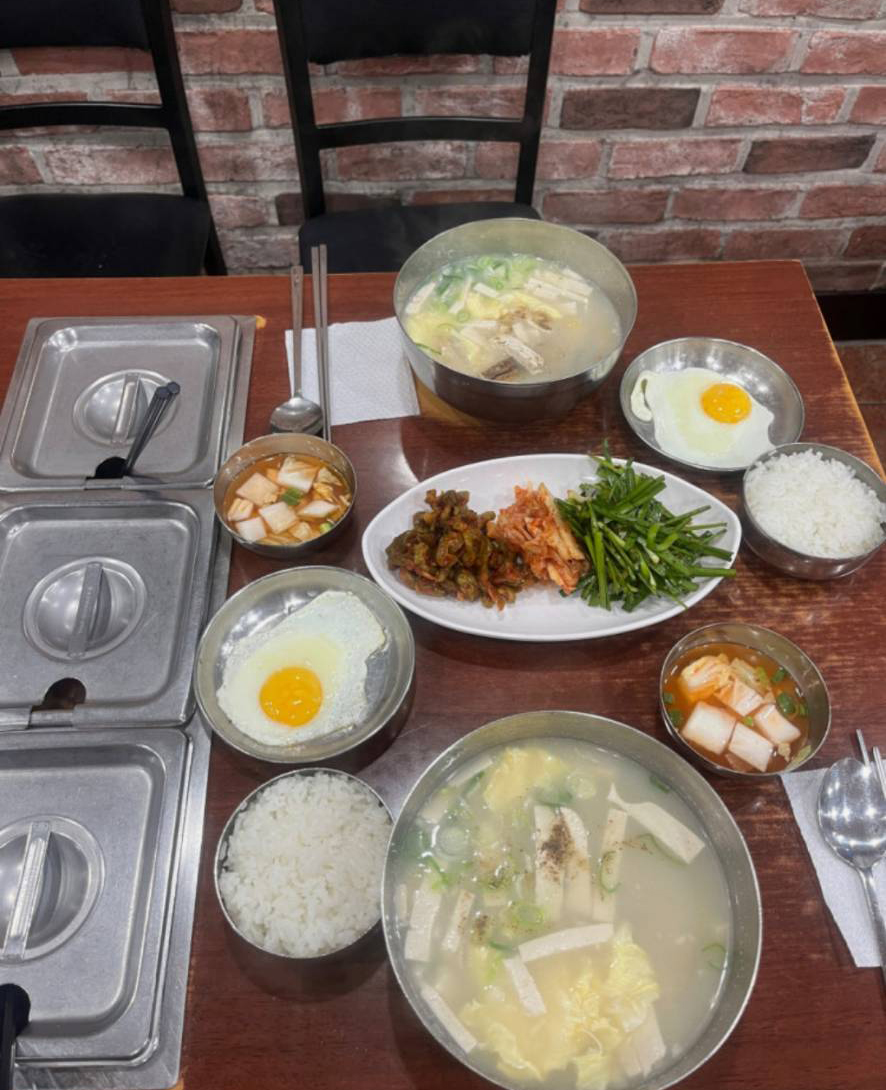
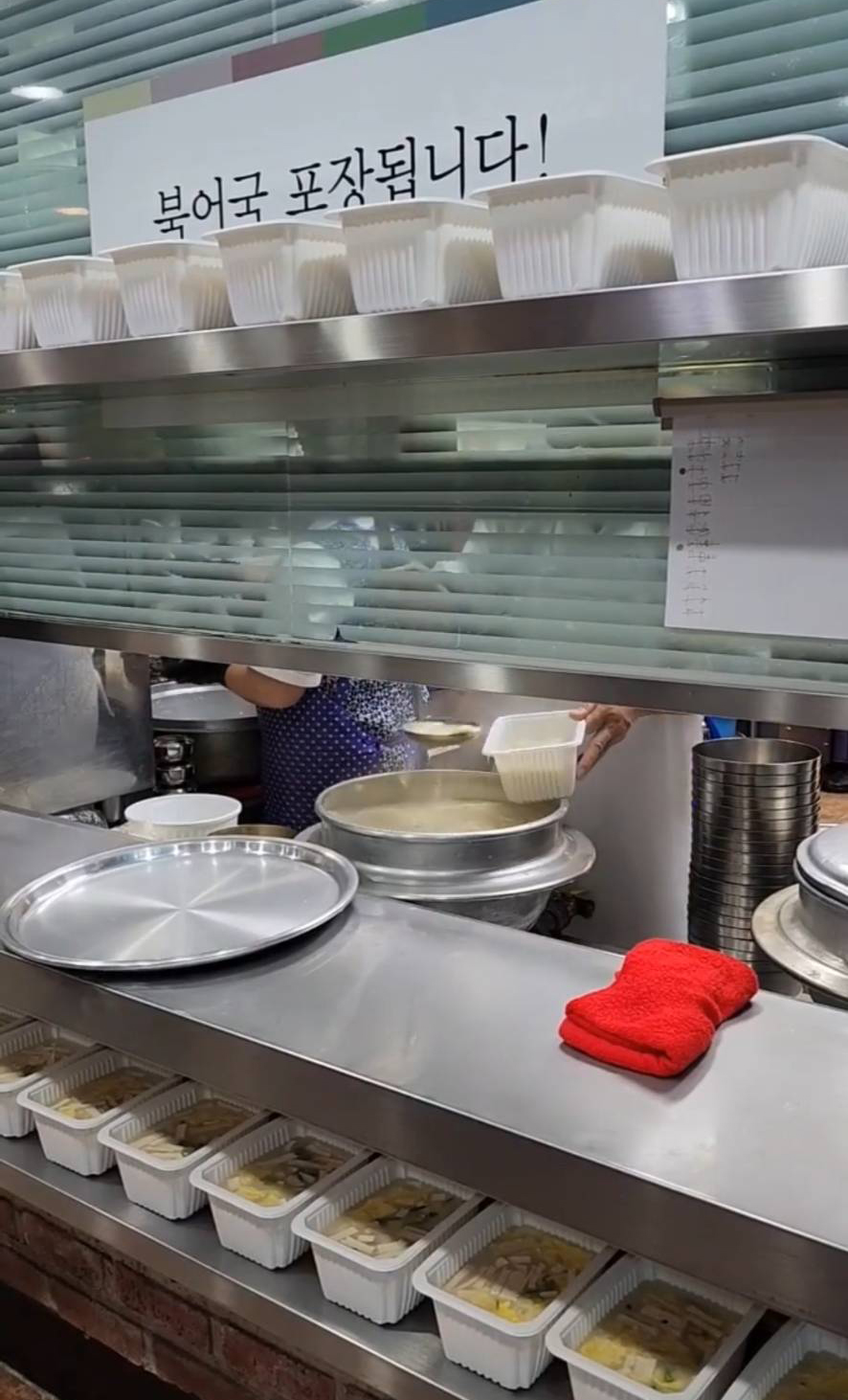
The morning after a night out, there is always a warm bowl of bugeoguk. The flavor of dried pollock gently permeates the soup. The storefront in the photo reads “북어국집,” or “bugeoguk restaurant.” On mornings when you would rather not be asked about the night before, there is nothing better than quietly sipping soup.
Bugeoguk is a deeply comforting bowl, with the savoriness of dried fish infused throughout the broth. Light soup with rice is a lovely choice on the morning after Korean barbecue. In lively Myeongdong, it is often a simple flavor like this that stays with you.
Bugeoguk lets you slowly savor the richness of dried pollock in a warm broth. It is for anyone who would rather begin the morning with something gentle than shock themselves awake with intense spice. By the time you finish the bowl with rice, you may already be ready to walk back into Myeongdong wondering, “What should I eat next?”
What Should You Choose for Breakfast, Lunch or Dinner?
| When the Craving Hits | Where to Go | Featured Dishes |
|---|---|---|
| A standout dinner | Daega / Jungil Hoegwan | Raw beef liver, Korean meat dishes, beef-intestine hot pot |
| Breakfast | Seowon Juk / Hyangwon Juk | Korean rice porridge |
| When you want warm noodles | Myeongdong Kyoja | Kalguksu |
| When you want seafood | Odarijip | Ganjang gejang |
| When you want meat | Wangbijib / Daega | Pork galbi, Hanwoo beef and more |
| When you want soup | Miseongok | Seolleongtang |
This table is simply my suggestion for what to eat when a particular craving strikes; it is not a list of opening hours. Always check a restaurant’s hours before you go.
A Few Words from Me Before You Eat Your Way Through Myeongdong
Opening Hours, Branches and Menus
“We arrived and it was closed” is one of the saddest endings to a travel story. A restaurant may have several branches, and menus can change with the season. If there is a specific dish you want, confirm both the opening hours and the branch before setting out.
Solo Dining and Minimum Orders
Solo travelers deserve delicious food too. However, some dishes at Korean barbecue restaurants and similar venues may require a minimum order of two or more servings. Ask before entering and you will not be caught off guard when it is time to order.
Allergy Checks
Some dishes, including ganjang gejang, contain shellfish. If you have an allergy, confirm the ingredients when ordering.
Myeongdong Food Questions Yasa-o Often Receives
Where Should I Eat Breakfast in Myeongdong?
I would put Seowon Juk and Hyangwon Juk on the list. Start your day with a warm bowl of Korean rice porridge.
Are There Korean Dishes That Are Not Spicy?
Rice porridge, kalguksu and seolleongtang are all good options. Seasoning and side dishes vary by restaurant, so confirm when you order.
Where Can I Try Ganjang Gejang?
My pick is Odarijip. If you have a shellfish allergy, check with the restaurant before ordering.
Where Can I Eat Raw Beef Liver?
In Myeongdong, you can enjoy raw beef liver at Daega (대가) and Jungil Hoegwan (중일회관).
Final Thoughts|In Myeongdong, Plan Your Appetite Along with Your Itinerary
The stars of this guide are the first two restaurants I want to show you: Daega and Jungil Hoegwan. From raw beef liver—which restaurants in Japan cannot serve—to Daega’s Korean meat dishes and Jungil Hoegwan’s kimchi bulgogi and bubbling gopchang-jeongol, both places make a night in Myeongdong more delicious. Another welcome point is that guests visiting Daega with Yasa-o can enjoy both their meal and a cigarette.
For breakfast, choose Seowon Juk or Hyangwon Juk. At lunchtime, consider Myeongdong Kyoja or kimchi bulgogi; for seafood, head to Odarijip. When you crave soup, Miseongok is waiting. Add bugeoguk the next morning and your food plan is complete. If you cannot decide what to eat, feel free to ask me.
Not Sure What to Eat in Myeongdong? Ask Me on LINE
“Porridge for breakfast?” “Barbecue for dinner?” “What about raw beef liver?” Send me a LINE message with the dishes you want to try, the number of people in your group and your planned visit date. Add, “I read your food guide,” and I’ll know exactly where to start.