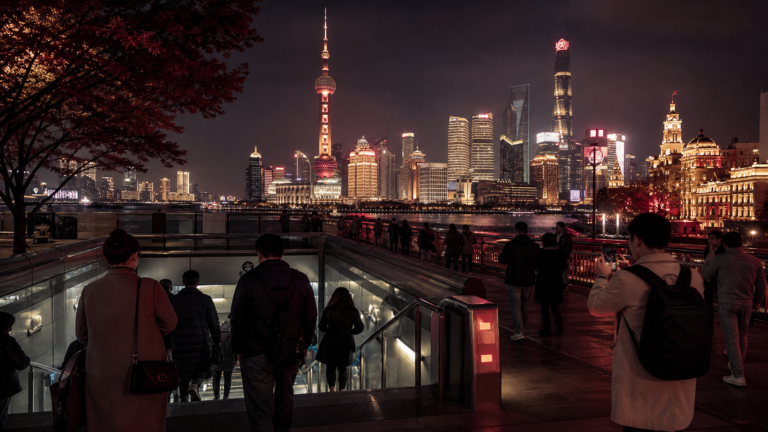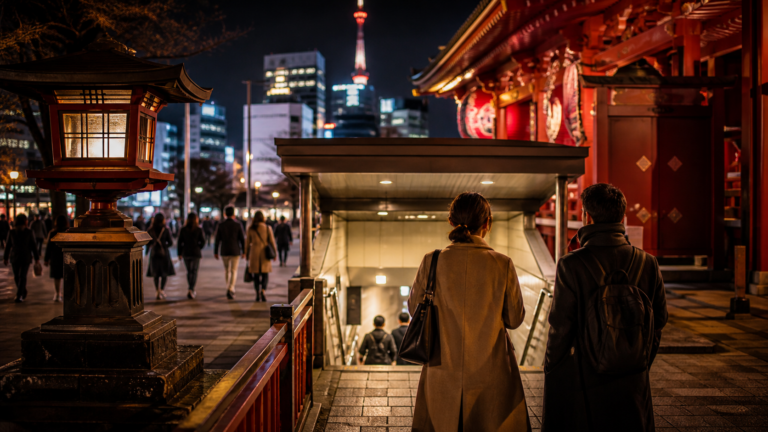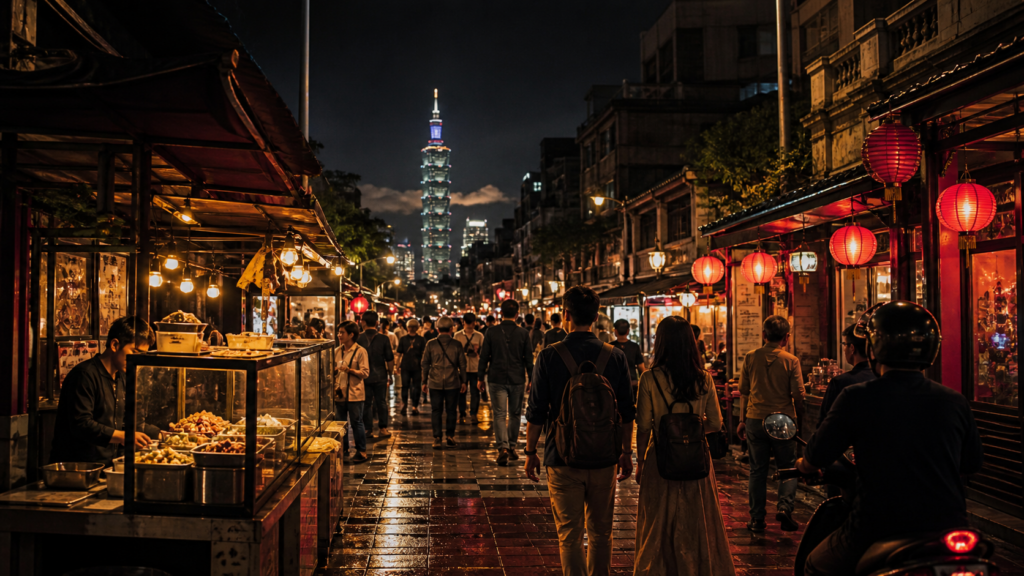
Taiwan is friendly, convenient, and easy to enjoy, but treating it as “basically the same as Japan” can lead to avoidable mistakes. MRT food restrictions, scooter-heavy traffic, temple etiquette, night-market crowds, and payment habits all deserve a little preparation.
This 2026 guide covers 15 mistakes to avoid in Taiwan, with practical advice for Taipei, Taichung, Tainan, Kaohsiung, and regional trips.
15 mistakes to avoid in Taiwan
- Eating or drinking in restricted MRT areas
- Crossing without checking scooters
- Forgetting to signal a bus
- Using priority seats for luggage
- Blocking night-market lanes
- Ignoring temple signs and worshippers
- Making sweeping political or identity claims
- Assuming tipping is mandatory
- Relying only on digital payments
- Assuming tap water is ready to drink
- Ignoring local rubbish collection
- Underestimating typhoons, earthquakes, and heat
- Taking unlicensed taxis
- Trusting suspicious travel links
- Leaving entry, medicine, and connectivity checks until arrival
1. Do not eat or drink inside restricted MRT areas
Taipei Metro and other systems restrict eating, drinking, and chewing gum after the marked boundary. Finish drinks before entering, keep containers sealed, use headphones, and let passengers exit first. EasyCard and iPASS simplify transport and small purchases.
2. Check for scooters even on a green light
Scooters and turning vehicles may cross your path. Look in every direction, wait until vehicles stop, and never cross while filming or using your phone. Rental scooters require the correct licence and appropriate insurance.
3. Signal buses clearly
Some buses may not stop unless you raise a hand. Press the stop button early and follow the card-tapping instructions, which can require taps on both boarding and exit. Keep luggage secure during sudden braking.
4. Keep priority seats available
Priority seats are for older people, pregnant passengers, injured people, and anyone who needs support—including needs that are not visible. Never photograph or shame another passenger. Keep bags off all seats when vehicles are busy.
5. Do not block a night-market lane
Move aside before reading a menu or taking photos. Find the end of the queue, carry hot soup and skewers carefully, and eat at the stall’s space or along the edge. Confirm prices before ordering and return rubbish to the correct point.
6. Respect temples as living religious spaces
Look for no-photo signs and never push between a worshipper and an altar. Rules for incense, entrances, offerings, and photography vary. Ask staff if unsure, dress respectfully, and avoid loud commentary during ceremonies.
7. Avoid simplistic political and identity statements
Taiwan uses Mandarin alongside Taiwanese, Hakka, and Indigenous languages. Views of history, identity, and cross-strait politics differ widely. Listen rather than declaring what all Taiwanese people supposedly believe.
8. Tipping is normally optional
US-style tips are not generally expected in ordinary restaurants or taxis. Hotels and restaurants may add a 10% service charge. Check the bill and express thanks directly rather than insisting someone accept cash.
9. Carry New Taiwan dollar cash
Digital payment is widespread, but night markets, breakfast shops, local buses, and rural businesses may prefer cash. Carry small notes, more than one card, and confirm overseas ATM fees before travelling.
10. Follow accommodation guidance on drinking water
Many residents boil or filter tap water. Use the hotel’s dispenser, boiled water, or sealed bottled water. In hot, humid weather, stay hydrated rather than drinking less because you are uncertain.
11. Follow local rubbish systems
In some neighbourhoods, residents bring sorted rubbish to collection trucks playing music. Do not block the road to film them or leave bags on the street. Follow hotel, station, and night-market sorting signs.
12. Prepare for typhoons, earthquakes, and heat
Typhoons can suspend flights, rail services, and attractions. Follow official weather and operator updates and avoid coasts and mountain areas during warnings. Summer heat can cause illness even after dark; schedule water and rest.
13. Use licensed taxis and recognised booking services
At airports and stations, use official ranks, hotel arrangements, or established apps. Confirm the vehicle and fare method, save your destination in Traditional Chinese, and share trip details when travelling late.
14. Do not submit details through unknown links
Taiwan authorities warn about fake travel discounts, jobs, LINE groups, and voting links designed to steal personal data. Book through official sites, never send passport or card images to strangers, and contact your bank immediately after suspicious payment.
15. Check entry, medicine, and mobile data rules early
Passport, arrival-card, visa, customs, and medicine conditions vary by nationality. Arrange an eSIM, SIM, or roaming plan for maps, translation, emergency alerts, and bookings. Do not depend entirely on public Wi-Fi.
Pre-departure checklist
- Learn EasyCard or iPASS use
- Carry cash and backup cards
- Arrange mobile data
- Enable weather and earthquake alerts
- Save insurance, hotel, and emergency contacts
- Check medicine and food import rules
FAQ
Can I travel using only Japanese?
Some tourism businesses speak Japanese, but it is not universal. Save addresses in Traditional Chinese and use a translation app. A few phrases such as “qing,” “xiexie,” and “buhaoyisi” are appreciated.
Can I bargain at night markets?
Some clothing and souvenir sellers may negotiate, but aggressive bargaining—especially for food—is inappropriate. Ask once with a smile and accept the answer.
What are Taiwan’s emergency numbers?
Police 110; fire and ambulance 119. Save current visitor hotlines from official websites before departure.
Final takeaway
The key to Taiwan etiquette is combining its relaxed friendliness with careful attention to traffic and shared spaces. Do not eat on the MRT, watch scooters, ask before temple photography, and keep night-market lanes moving.